
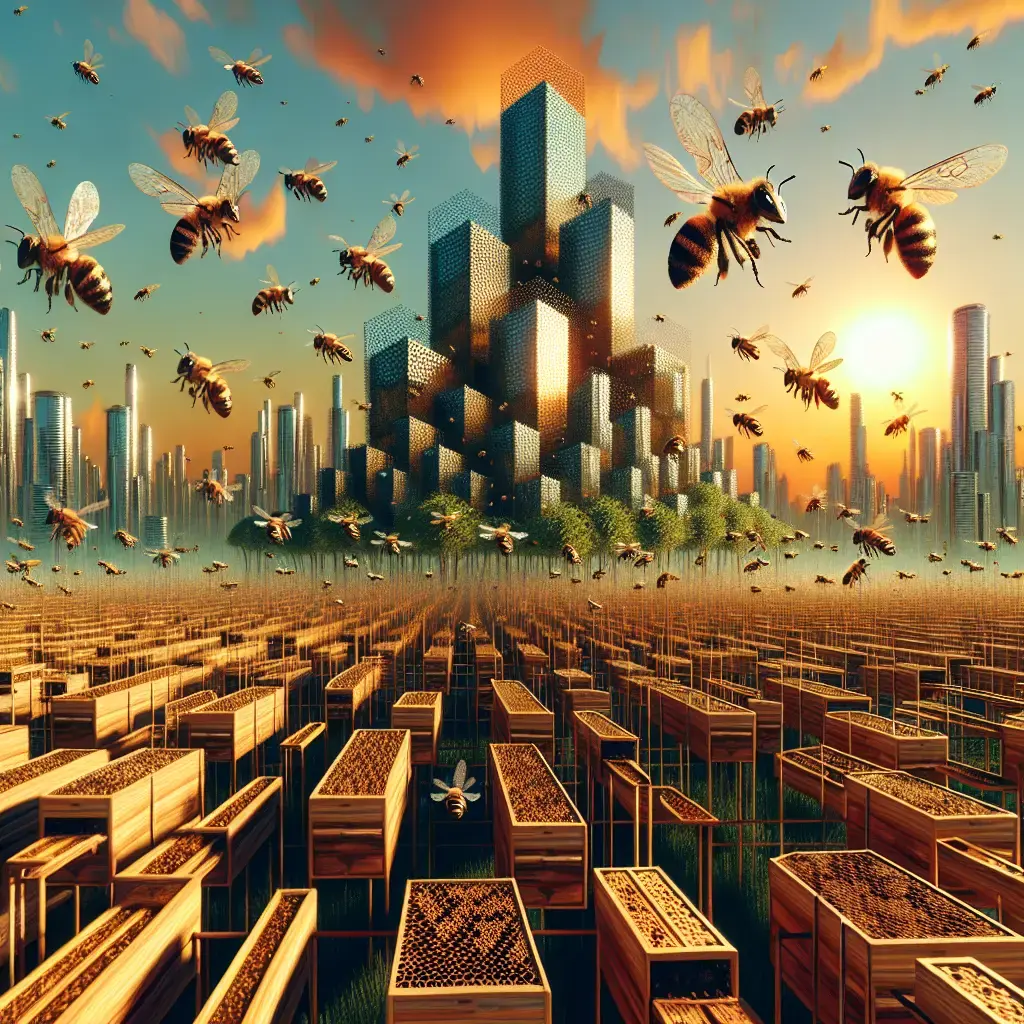

Urban beekeeping is transforming cities into vibrant oases for pollinators, proving that even the smallest green spaces can make a world of difference for bees and butterflies. As cities expand and green areas shrink, these efforts offer essential lifelines to pollinators—and in turn, enhance our own urban environments.
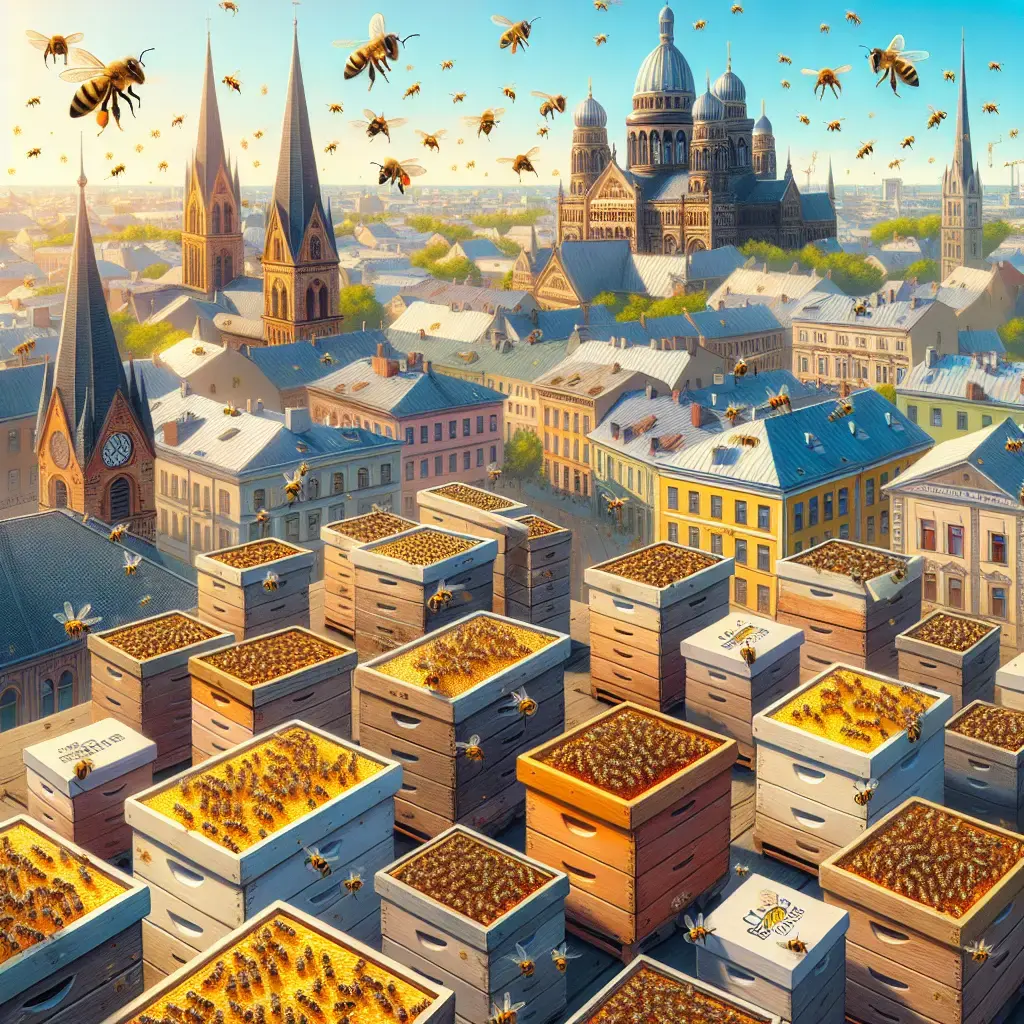
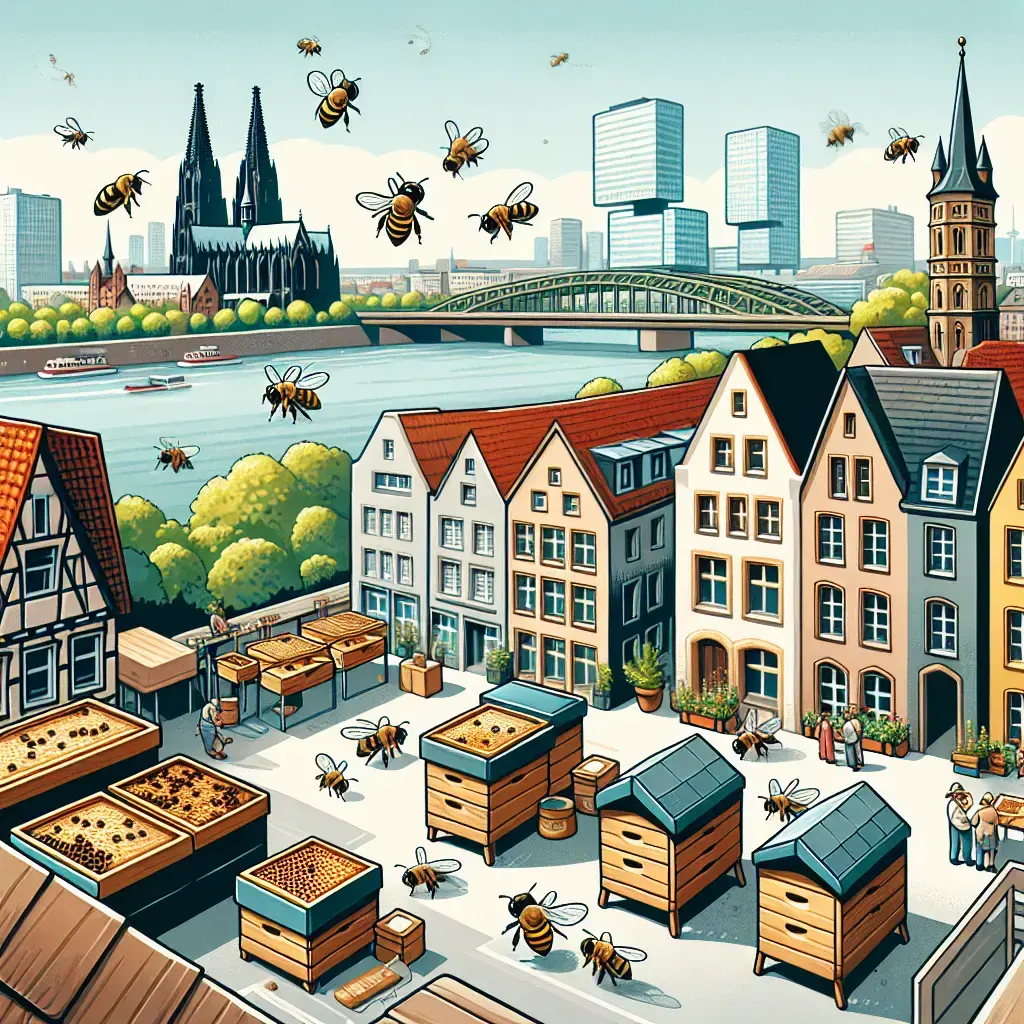
When picturing city life, most people imagine high-rise buildings and busy streets, not the hum of honeybees or gardens alive with butterflies. Yet, across urban landscapes, more individuals are embracing urban beekeeping and pollinator-friendly gardening, helping to create vital sanctuaries for these invaluable insects. These local initiatives foster biodiversity, support food production, and inspire communities to rethink what’s possible in the heart of the city.
Why Urban Pollinators Matter
Pollinators like bees and butterflies are the backbone of healthy ecosystems—even in bustling cities. They fertilize more than 75% of flowering plants and about 35% of the world’s food crops, making them essential for both nature’s beauty and our own food security. However, urban pollinators face threats such as habitat loss from development, pesticide exposure, limited floral diversity, and climate-related stresses. By supporting these insects, city residents directly contribute to increased biodiversity and healthier gardens—benefiting both people and wildlife.
How to Create a Pollinator Paradise in the City
Urban Gardening: Simple Steps for Bee & Butterfly Success
Transforming even the smallest urban space into a pollinator haven is achievable with a few thoughtful choices. Plant a diverse array of native blooms such as Purple Coneflower, Black-Eyed Susan, Bee Balm, Milkweed, and Coreopsis. These flowers offer superior nutrition for local pollinators while adding vibrant color to your surroundings.
Go beyond just planting by adopting pollinator-safe practices. Avoid pesticides whenever possible—even organic options can harm beneficial insects. Provide shallow dishes of water with pebbles for safe drinking, plant in clusters to make foraging easier, leave some wild spaces or leaf litter for nesting, and ensure there are always flowers in bloom from spring through fall.
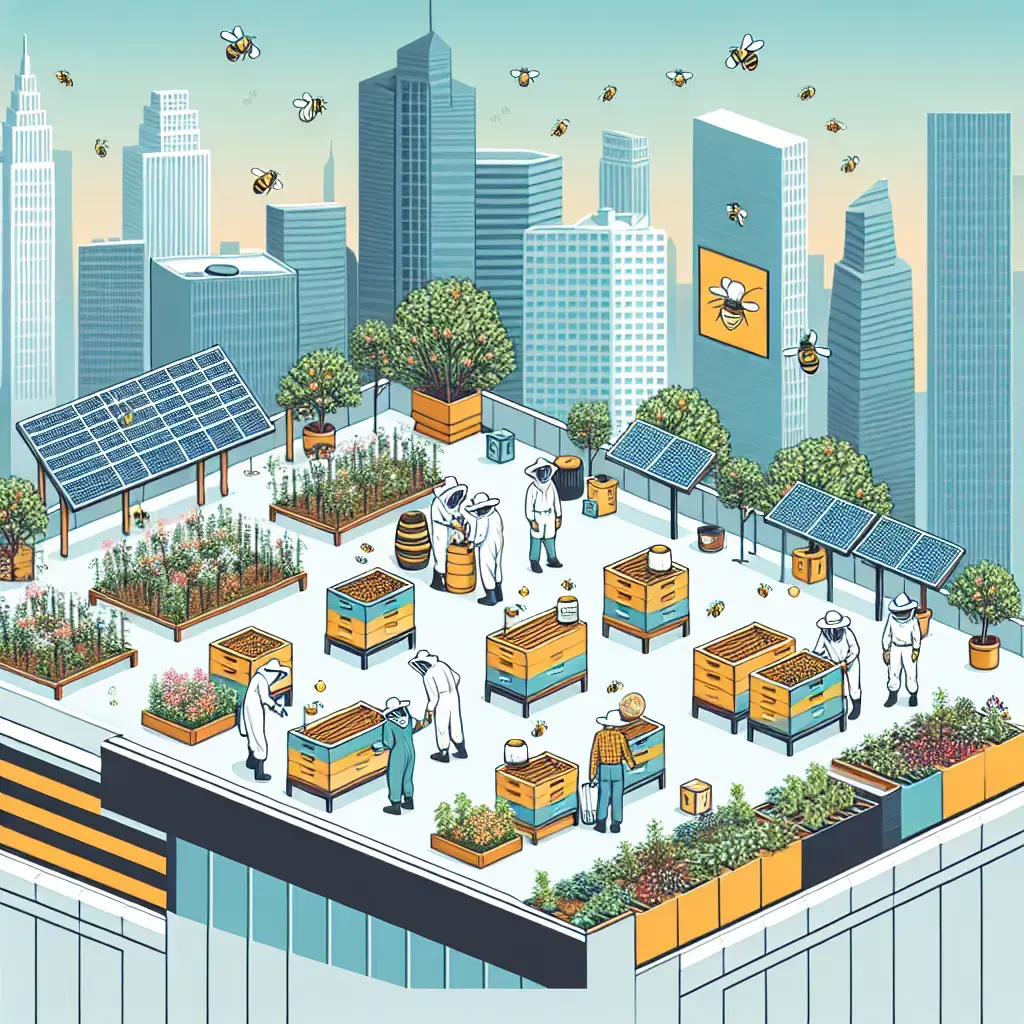
Even tiny spaces like balconies, rooftop gardens, or window boxes can support pollinators. Pots filled with native wildflowers and herbs, layered plantings on rooftops, or even a small window box with lavender or thyme can become a feast for bees. Every inch matters when it comes to supporting urban wildlife.
Celebrating World Bee Day in the City: Each May 20th marks World Bee Day, spotlighting bees' vital role in food systems and ecosystems—including those within our cities. Urban celebrations include planting bee-friendly flowers, avoiding harmful chemicals, building bee hotels, supporting local beekeepers, and spreading awareness about pollinator conservation.
City Actions: Supporting Urban Bees & Butterflies
You can make a big impact with simple actions: grow pollinator-friendly plants year-round, reduce or eliminate pesticide use, install bee hotels or keep part of your space wild, purchase local honey or bee products, and share knowledge about pollinators in your community. These efforts help ensure that cities remain welcoming places for these crucial insects.
Small Spaces, Big Impact: Urban beekeeping proves that every balcony, rooftop, or backyard counts. Each flower planted is a step toward a healthier city—one where buzzing bees and fluttering butterflies thrive amidst the concrete jungle.
If you’re inspired to do more for pollinators, explore helpful resources like “Bringing Nature Home” by Douglas W. Tallamy, “Pollinator Gardening for the South” by Anne Spafford and Danesha Seth Carley, or “Attracting Native Pollinators” by The Xerces Society. For practical tips on creating pollinator-friendly gardens, visit Washington Daily News.
Whether you’re a seasoned urban beekeeper or just starting your first planter box, remember: every flower planted and every bee welcomed brings new life to your city. Here’s to making our urban spaces buzz with vitality!
Happy beekeeping and butterfly watching!


Leave a Comment