
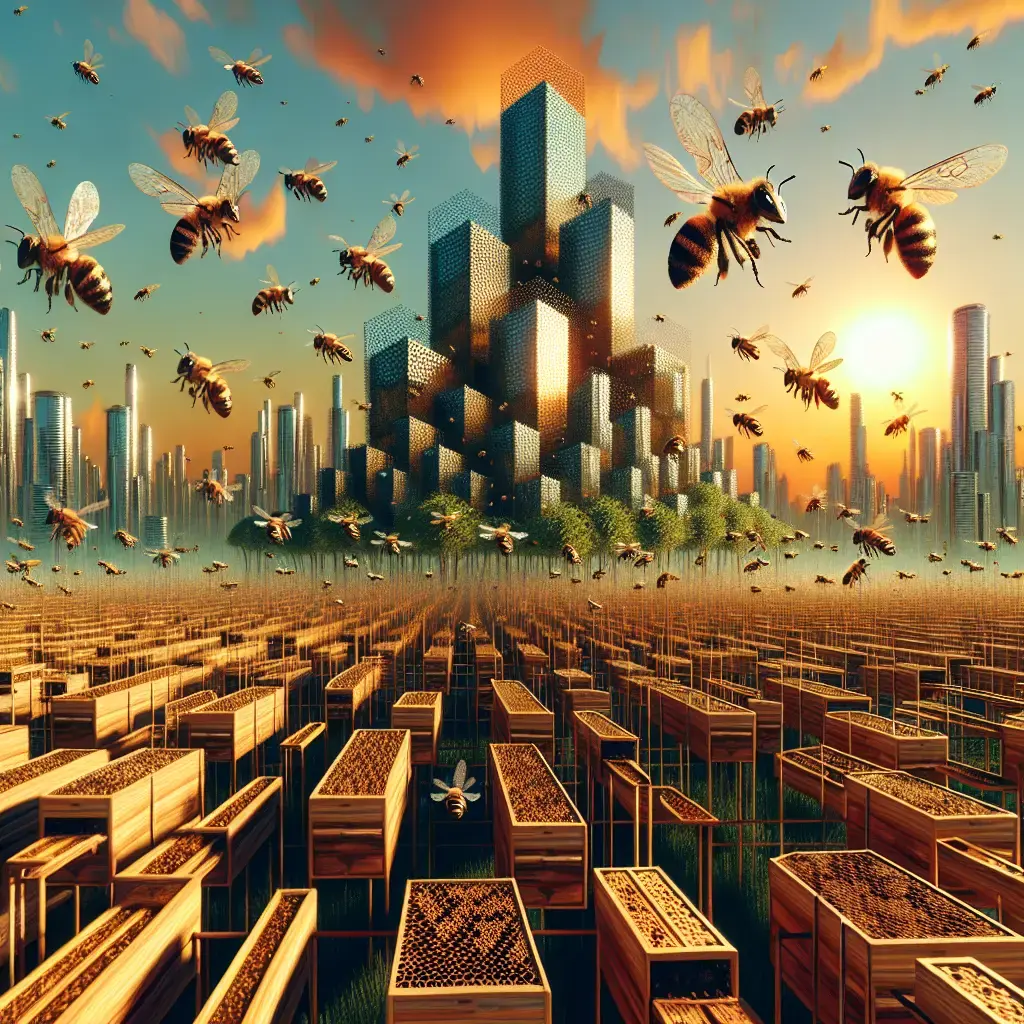
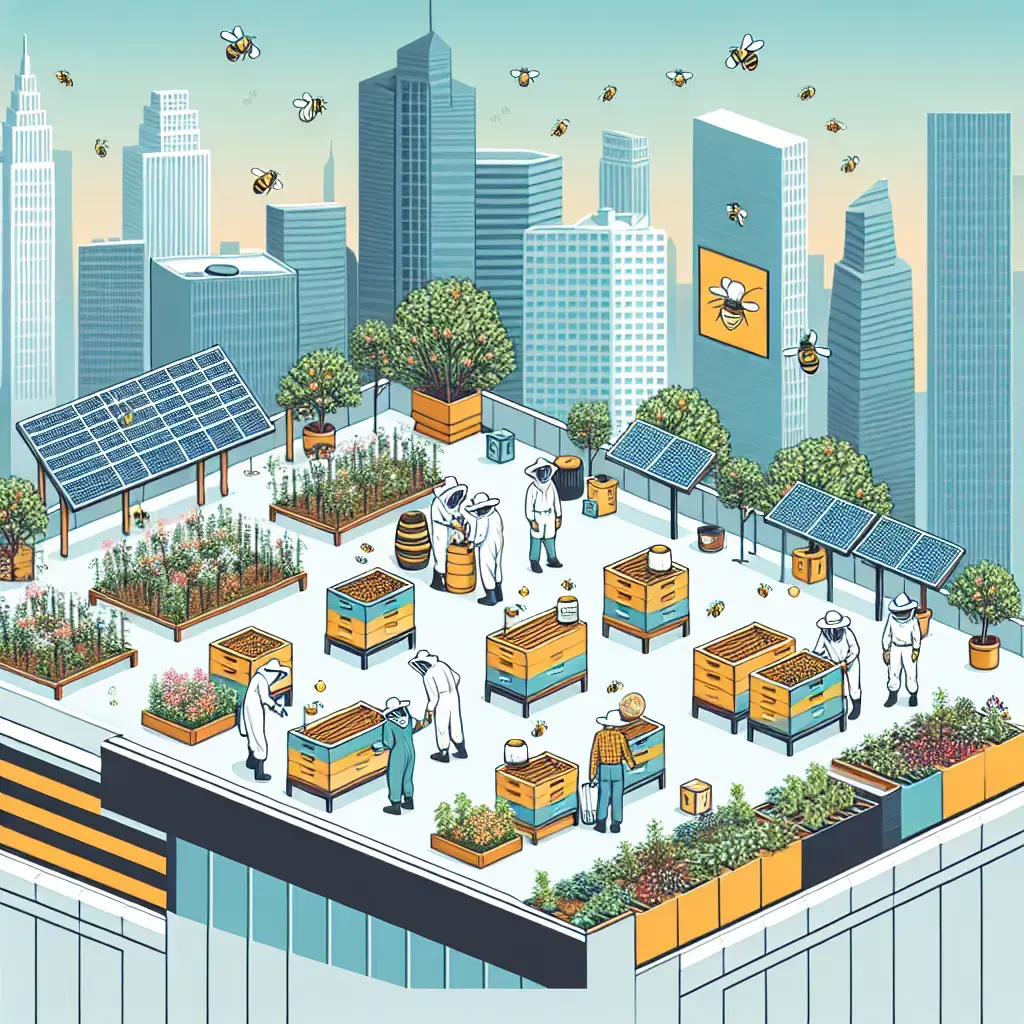
In the concrete jungles of our bustling cities, an eco-conscious revolution is buzzing to life. Sustainable urban beekeeping is emerging as a crucial pillar in supporting urban pollinator conservation and fostering city beekeeping sustainability. As more individuals and communities recognize the vital role bees play in urban ecosystems, eco-friendly beekeeping practices are gaining traction. These practices not only contribute to urban bee habitat sustainability but also promote sustainable honey production and enhance urban beekeeping benefits for both bees and humans alike.
For city dwellers eager to embrace this green movement, understanding sustainable beekeeping methods is essential. From eco-friendly hive maintenance to sustainable hive management, these techniques ensure that urban apiaries thrive in harmony with their environments. Green beekeeping techniques, tailored to the unique challenges of city life, offer invaluable urban beekeeping tips that cater to enthusiasts and professionals alike. By integrating these environmentally friendly beekeeping strategies, urban beekeepers can cultivate thriving colonies that contribute to the ecological balance within cities.
Sustainable beekeeping methods are essential for fostering thriving urban apiaries. These methods focus on maintaining bee health while ensuring minimal environmental impact. One crucial aspect is eco-friendly hive maintenance, which involves using materials and techniques that reduce harm to both bees and their surroundings. For instance, employing natural materials for hives and avoiding chemical treatments are steps toward environmentally friendly beekeeping.
Recent research underscores the importance of tailored approaches for different bee species. A study on age-dependent hypopharyngeal gland size in stingless bees, such as Tetragonula pagdeni, highlights the need for understanding bee physiology to optimize colony health and productivity (ScienceDirect). This research emphasizes how sustainable hive management can be informed by scientific insights, allowing beekeepers to adapt practices for specific urban conditions.
Green beekeeping techniques offer practical urban beekeeping tips that align with the challenges and opportunities of city environments. These techniques involve creating bee-friendly habitats that support urban pollinator conservation. Rooftop gardens and community spaces provide ideal locations for establishing urban apiaries, as they can be cultivated with diverse, pollinator-attracting plants.
The Role of Eco-Conscious Beekeeping in Urban Areas
Eco-conscious beekeeping is more than a mere trend; it represents a commitment to nurturing nature within urban landscapes. As seen in the recent launch of Georgia May Jagger's May Botanicals, which emphasizes natural and organic ingredients (Vogue), there is a growing consumer demand for sustainability. This reflects a broader societal shift towards eco-conscious choices, paralleling the principles of sustainable beekeeping.
Urban beekeepers can draw inspiration from such movements by adopting practices that emphasize sustainability. This includes not only the production of honey but also the wider benefits of urban beekeeping, such as enhancing biodiversity and supporting local agriculture. Sustainable honey production, achieved through careful hive management and ethical harvesting practices, ensures that bees are not overexploited, promoting long-term colony health.
The benefits of sustainable urban beekeeping extend beyond individual hives. By supporting bee populations, urban beekeepers contribute to pollination services that are crucial for city parks, gardens, and agriculture. This ecological service enhances food security and promotes the growth of urban green spaces.
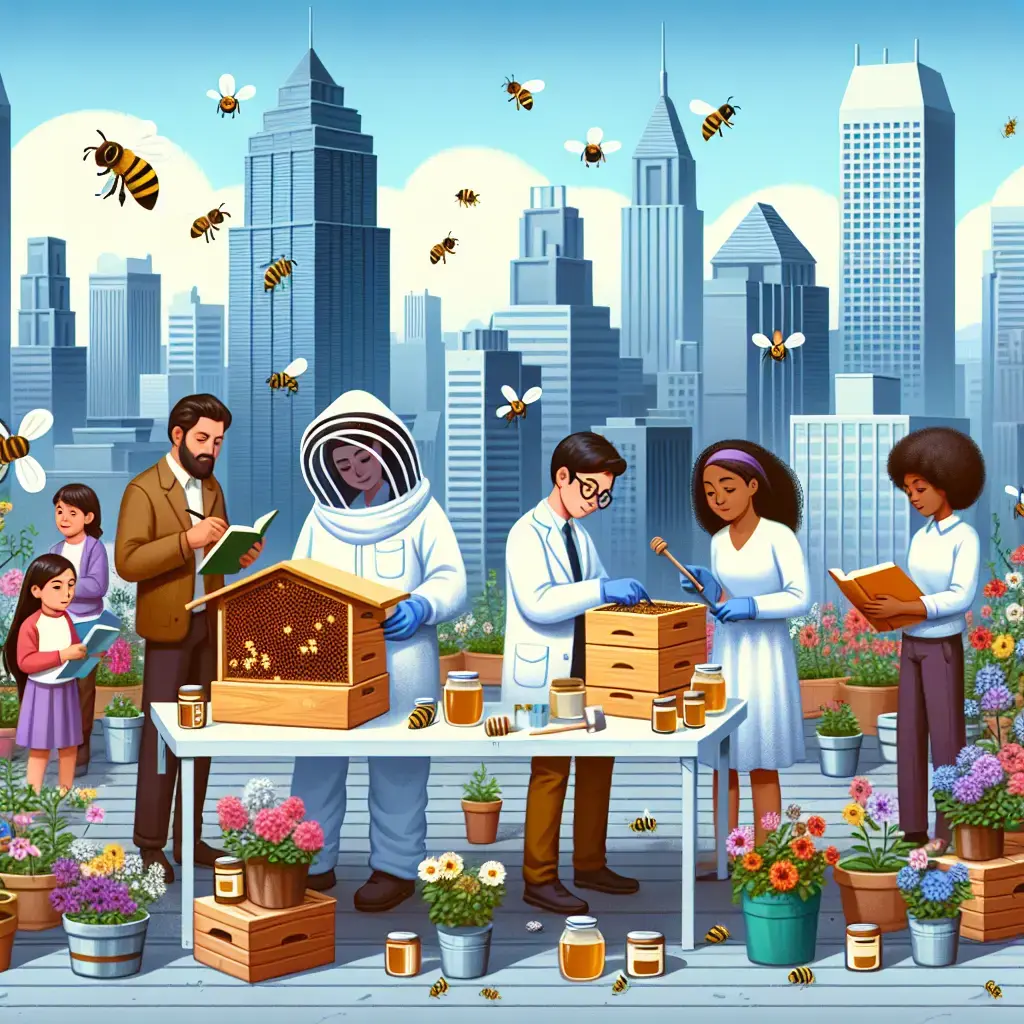
Moreover, urban apiary sustainability fosters community engagement. Beekeeping workshops and educational programs raise awareness about the importance of bees, encouraging more people to participate in eco-conscious initiatives. This community involvement is vital for building resilient urban ecosystems that can withstand environmental challenges.
Practical Steps for Embracing Sustainable Urban Beekeeping
For those eager to join this eco-conscious movement, here are some practical steps to consider:
Select Appropriate Hive Locations: Choose sites that offer adequate sunlight, protection from strong winds, and access to diverse forage options.
Use Sustainable Materials: Opt for hives made from natural or recycled materials to minimize environmental impact.
Plant Pollinator-Friendly Gardens: Cultivate a variety of native plants around your apiary to provide continuous forage throughout the year.
Implement Ethical Harvesting Practices: Harvest honey only when surplus is available, ensuring that bees have enough reserves for their own survival.
Educate and Collaborate: Engage with local communities through workshops and events to spread awareness about the importance of bees and sustainable practices.
By adopting these sustainable beekeeping methods, urban beekeepers can create a positive impact on both local ecosystems and broader environmental health.
As we navigate the complexities of modern urban life, sustainable urban beekeeping offers a tangible pathway towards ecological balance. Through eco-friendly hive maintenance and green beekeeping techniques, city dwellers can actively contribute to urban pollinator conservation. The ripple effects of these efforts enhance not only our immediate surroundings but also foster a healthier planet for future generations.
Sustainable urban beekeeping embodies a harmonious relationship between humans and nature. By embracing these practices, we can ensure that our cities buzz with life, offering vibrant habitats for bees while enriching our own lives with the sweetness of sustainable honey production. As we continue to explore innovative solutions for ecological preservation, let us champion eco-conscious beekeeping as a cornerstone of our collective journey towards sustainability.



Leave a Comment