
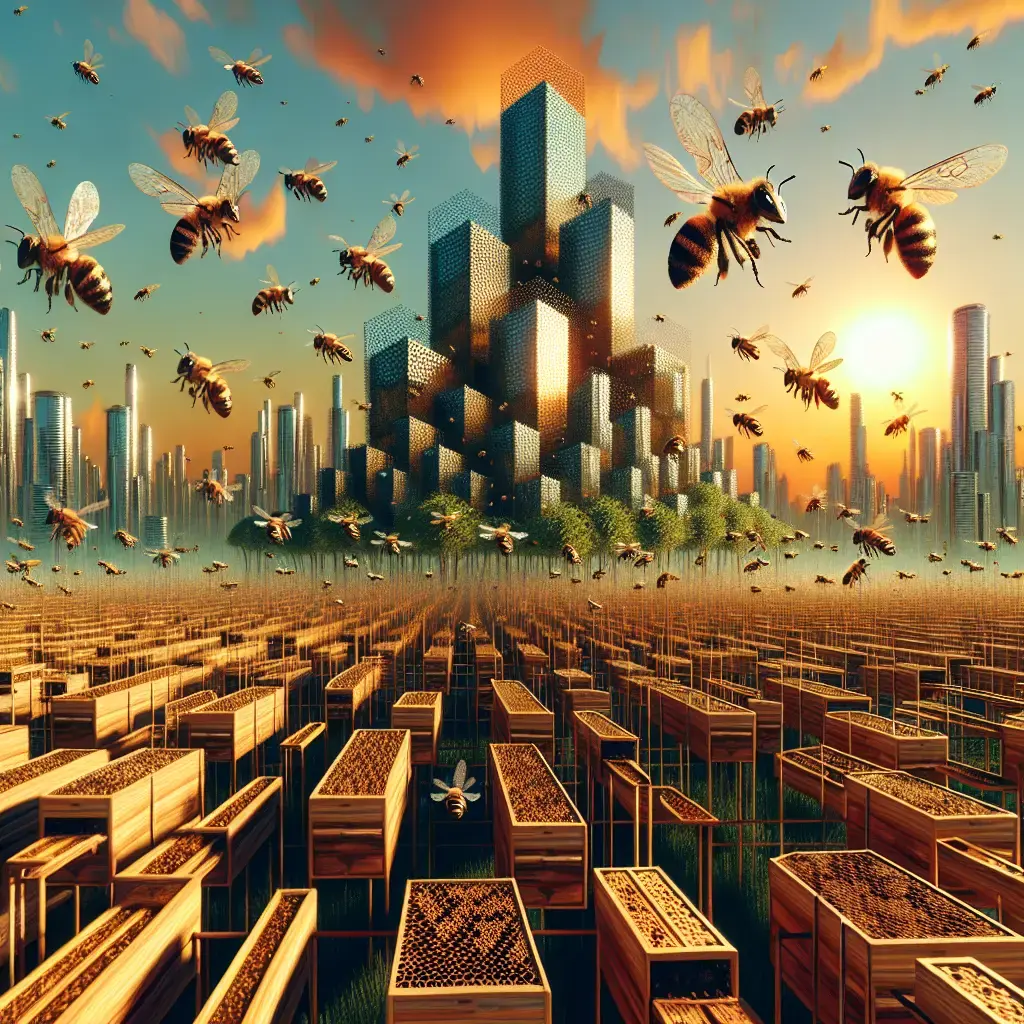
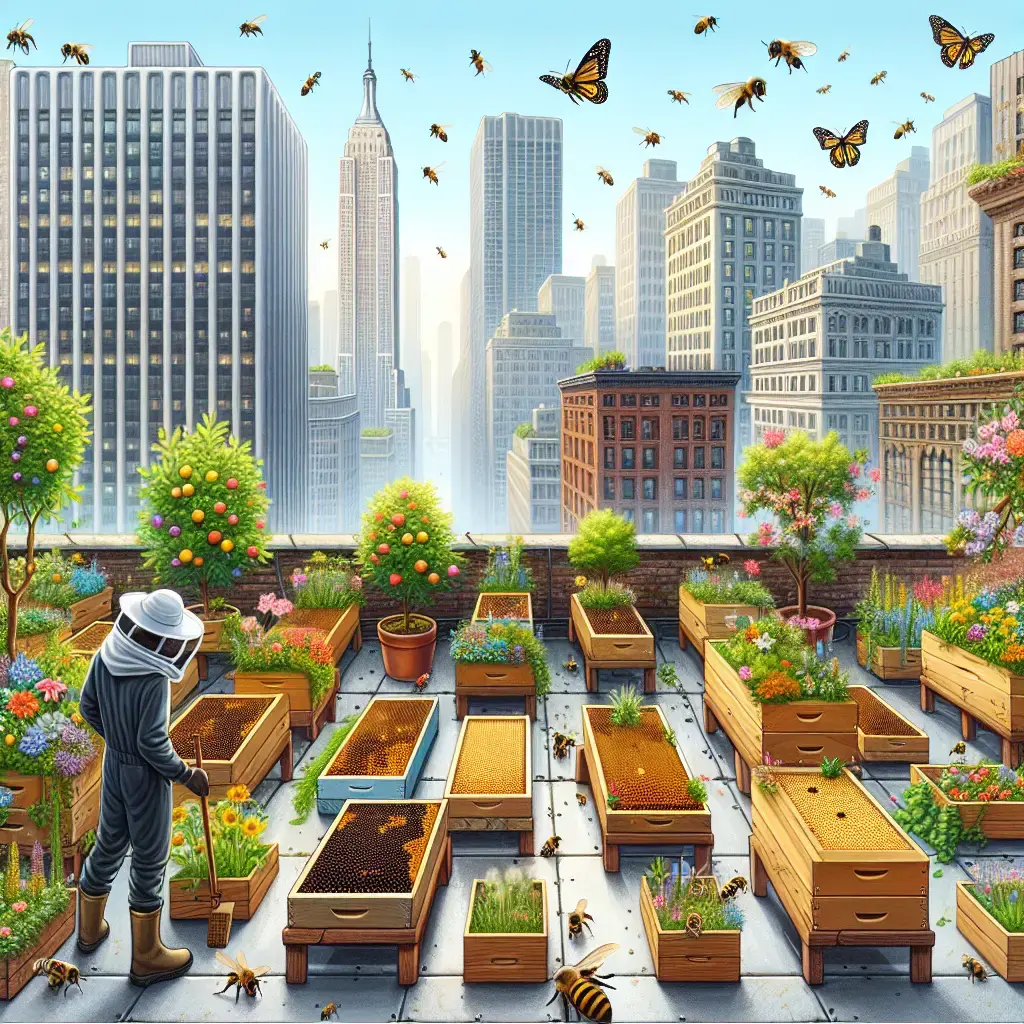
In the bustling heart of our urban landscapes, a quiet revolution is buzzing—urban beekeeping. As cities expand, the importance of urban beekeeping becomes ever more critical for pollinator health and the sustainability of our urban pollinator ecosystems. Bees, those industrious urban pollinators, are thriving amid the concrete jungles, demonstrating that beekeeping in cities holds significant promise for enhancing pollinator health and supporting pollinators in cities. This burgeoning trend is not only revitalizing city landscapes but also contributing profoundly to the urban beekeeping economy.
The economic benefits of urban beekeeping extend beyond honey production. City beekeeping benefits include boosting local economies and fostering community engagement. Urban beekeeping initiatives are shaping a new urban agriculture and beekeeping paradigm, where the economic impact of urban beekeeping and its role in city pollinator conservation can no longer be overlooked. The emergence of sustainable urban beekeeping practices is aligning with growing urban agriculture trends, offering a unique way to weave environmental consciousness into the fabric of city life.
The urban beekeeping business is becoming a vibrant part of the local economy, underscoring the economic value of pollinators in urban settings. By increasing urban bee populations, city dwellers are not only enhancing local biodiversity but also reaping the numerous benefits of city beekeeping. For beginners eager to dive into this world, urban beekeeping for beginners offers a gateway into understanding and participating in this vital ecological activity.
As we delve deeper into the topic, we explore how these buzzing little workers are changing the face of our cities and their role in ensuring sustainable futures.
Urban beekeeping has emerged as a pivotal practice in the conservation of pollinator health, especially within the ever-expanding concrete landscapes of our cities. As urban environments continue to grow, the preservation and enhancement of urban pollinator ecosystems become essential not just for ecological balance but also for sustainable urban living. This section delves into how urban beekeeping initiatives are vital for supporting pollinators in cities and the multifaceted benefits that arise from these practices.
The Importance of Urban Beekeeping for Pollinator Health
The role of urban beekeeping in promoting pollinator health is profound. Urban environments often lack the diversity and abundance of floral resources necessary for pollinators. However, strategic urban beekeeping can transform these landscapes into vibrant ecosystems. By introducing bees into cityscapes, urban beekeepers can significantly boost local biodiversity and contribute to robust urban bee populations.
Diverse Floral Resources: In cities like Paris and New York, urban beekeeping has led to the cultivation of rooftop gardens and green spaces that provide diverse floral resources, crucial for maintaining healthy bee populations Smithsonian Magazine.
Pollinator Health Monitoring: Urban beekeeping also facilitates close monitoring of pollinator health. Beekeepers can swiftly identify and respond to threats such as pesticides and diseases that could decimate bee populations, thereby playing a crucial role in city pollinator conservation.
Economic Benefits of Urban Beekeeping Beyond its ecological significance, urban beekeeping presents substantial economic benefits. The economic impact of urban beekeeping is seen in various ways, from honey production to boosting local economies through increased biodiversity.
Economic Growth Through Urban Beekeeping
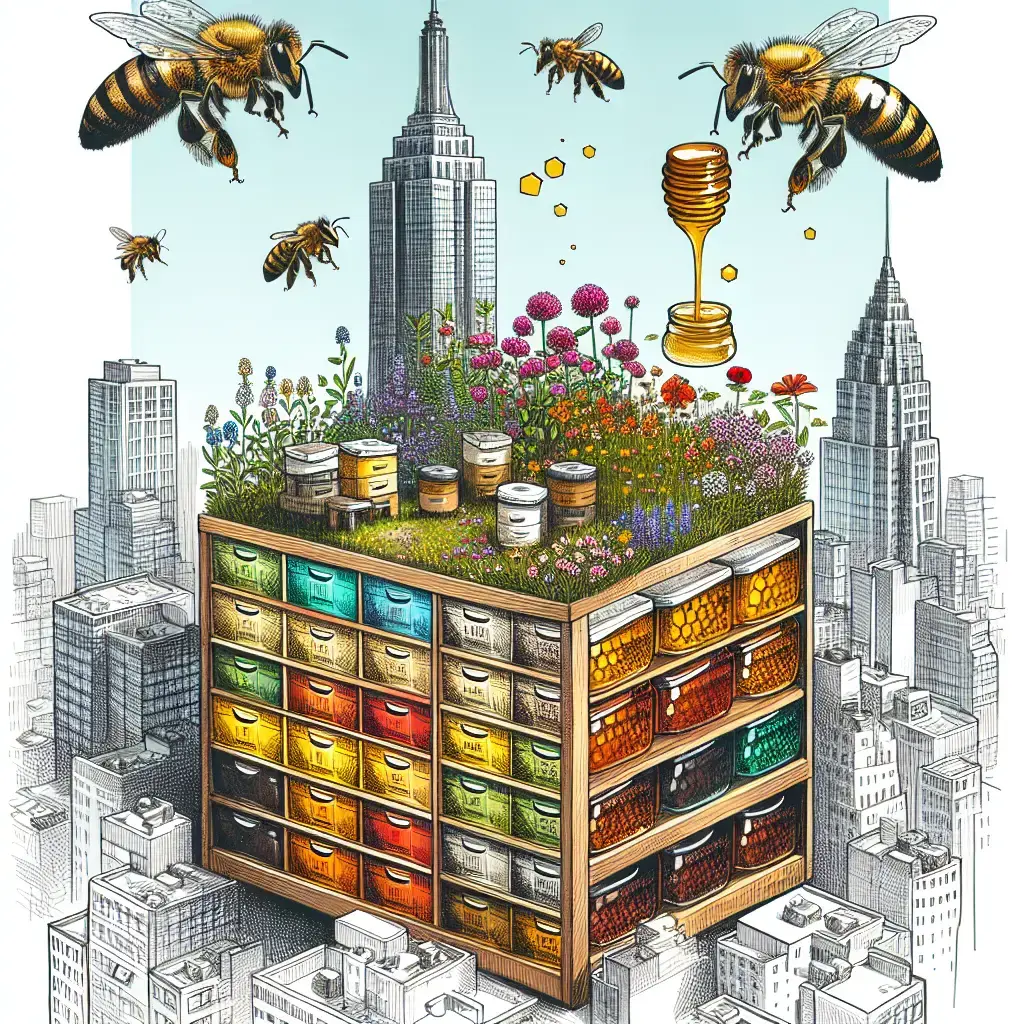
Local Economy Stimulation: Cities like London have integrated urban beekeeping into their local economies by supporting honey-based businesses. This has resulted in the creation of new jobs and business opportunities, fostering a vibrant urban beekeeping economy The Guardian.
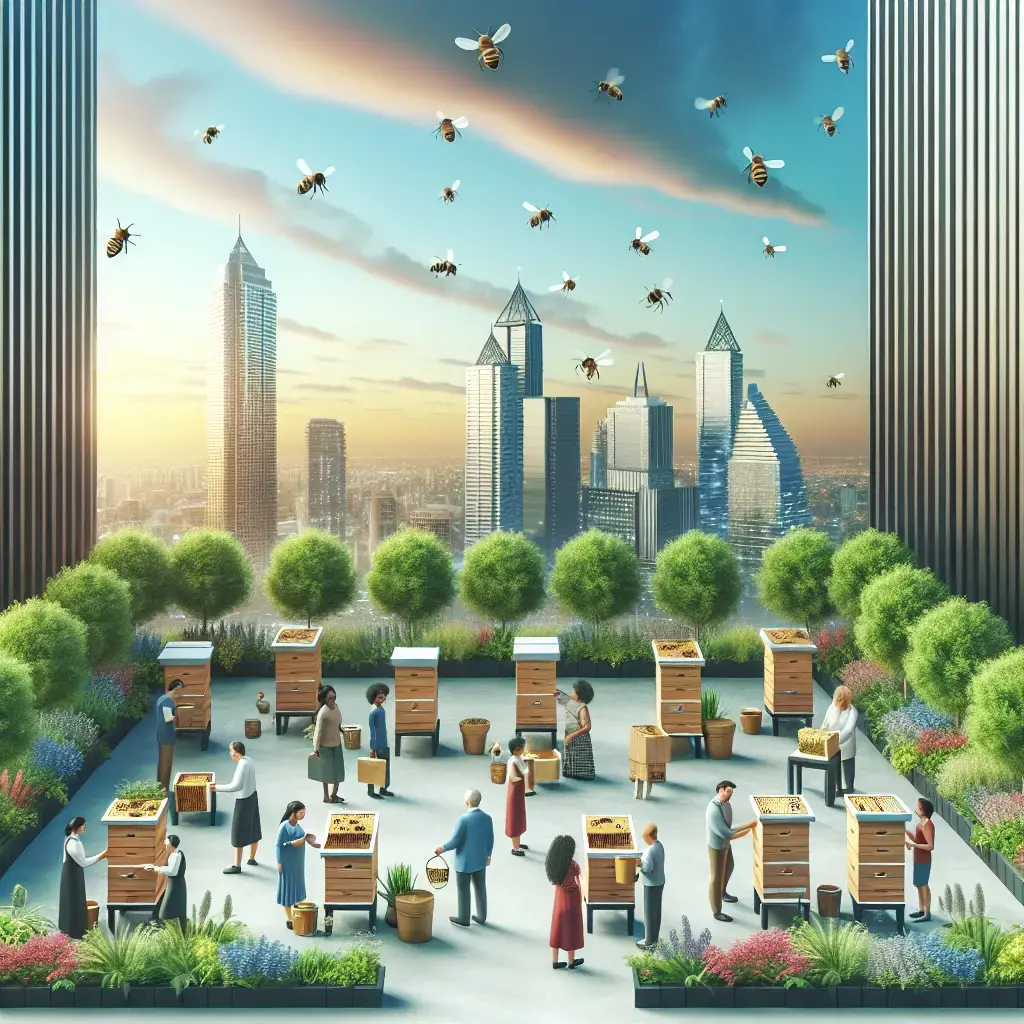
Community Engagement: Urban beekeeping initiatives often involve local communities, leading to increased awareness and participation in environmental conservation efforts. Community-supported beekeeping projects have been successful in cities like San Francisco, where residents collectively manage beehives and share the economic benefits National Geographic.
Sustainability Practices: Adopting sustainable urban beekeeping practices is critical for long-term success and the health of urban pollinators. These practices ensure that beekeeping activities do not negatively impact the ecosystem or the bees themselves.
Chemical-Free Beekeeping: Sustainable practices often involve minimizing chemical use, thereby reducing the risk of contaminating honey and harming bee populations. Many urban beekeepers now employ natural pest control methods and organic treatments.
Innovative Hive Designs: To accommodate limited spaces, innovative hive designs have been developed that fit well within urban settings, allowing more city dwellers to participate in beekeeping BBC News.
Challenges and Opportunities in Urban Beekeeping
Urban Beekeeping Community Impact: The social dimension of urban beekeeping is equally significant. As more people engage with beekeeping in cities, there is a ripple effect on community cohesion and environmental stewardship.
Educational Programs: Cities are incorporating urban beekeeping into educational curricula, teaching students about ecology and the importance of pollinators. Such programs not only educate but also inspire future generations to value and protect pollinators.
Neighborhood Collaboration: Urban beekeeping fosters collaboration among neighbors who share resources and knowledge, strengthening community ties. This shared interest in environmental issues can lead to broader urban agriculture and beekeeping initiatives The New York Times.
Challenges and Opportunities: While the benefits are numerous, urban beekeeping also faces challenges. These include managing bee swarms in densely populated areas and ensuring sufficient forage availability throughout the year.
Forage Scarcity Solutions: Urban planners and policymakers are increasingly recognizing the need to integrate more green spaces into city planning to support sustainable urban beekeeping practices. This integration aids in alleviating forage scarcity, providing bees with year-round nutrition sources.
Legal Frameworks: The establishment of clear legal frameworks governing urban beekeeping is crucial for addressing safety concerns and ensuring that practices align with public health standards The Conversation.
In conclusion, the importance of urban beekeeping for pollinator health cannot be overstated. As cities continue to evolve, so too must our approaches to integrating nature within these landscapes. Through conscious efforts in enhancing pollinator health, recognizing the economic value of pollinators, and nurturing the urban beekeeping community impact, we can create resilient ecosystems that benefit both humans and bees alike.
In summary, urban beekeeping is a crucial practice that supports pollinator health and contributes to sustainable city living. The practice transforms urban landscapes by introducing vibrant ecosystems through the cultivation of diverse floral resources and enhancing local biodiversity.
Key points include:
- Enhancing Pollinator Health: Urban beekeeping provides vital floral resources and enables close monitoring of bee health, helping mitigate threats such as pesticides and diseases.
- Economic Growth: Cities like London have seen economic benefits from honey-based businesses, creating jobs and opportunities through urban beekeeping.
- Community Engagement: Initiatives in cities like San Francisco foster community involvement and awareness, encouraging environmental conservation efforts.
- Sustainability Practices: Employing chemical-free beekeeping and innovative hive designs ensures that urban beekeeping is environmentally friendly and accessible.
- Educational Impact: Integrating beekeeping into educational programs raises ecological awareness and inspires future generations.
Despite its challenges, such as managing forage scarcity and establishing legal frameworks, urban beekeeping holds immense potential for fostering resilient ecosystems. As cities evolve, our approach to integrating nature within urban landscapes must also progress. By supporting pollinator health and recognizing their economic value, we can nurture thriving communities for both humans and bees.

Leave a Comment