

Urban beekeeping is buzzing into the spotlight thanks to a new environmental documentary series set to premiere at SXSW London.
The world of urban beekeeping is about to receive some major attention, with prominent figures like Angelina Jolie and singer Ellie Goulding lending their voices to the movement. Their involvement in the upcoming docu-series "Bee: Wild," directed by Rebecca and Josh Tickell, is shining a much-needed light on how cities can play a vital role in bee conservation.
Why Urban Beekeeping Matters
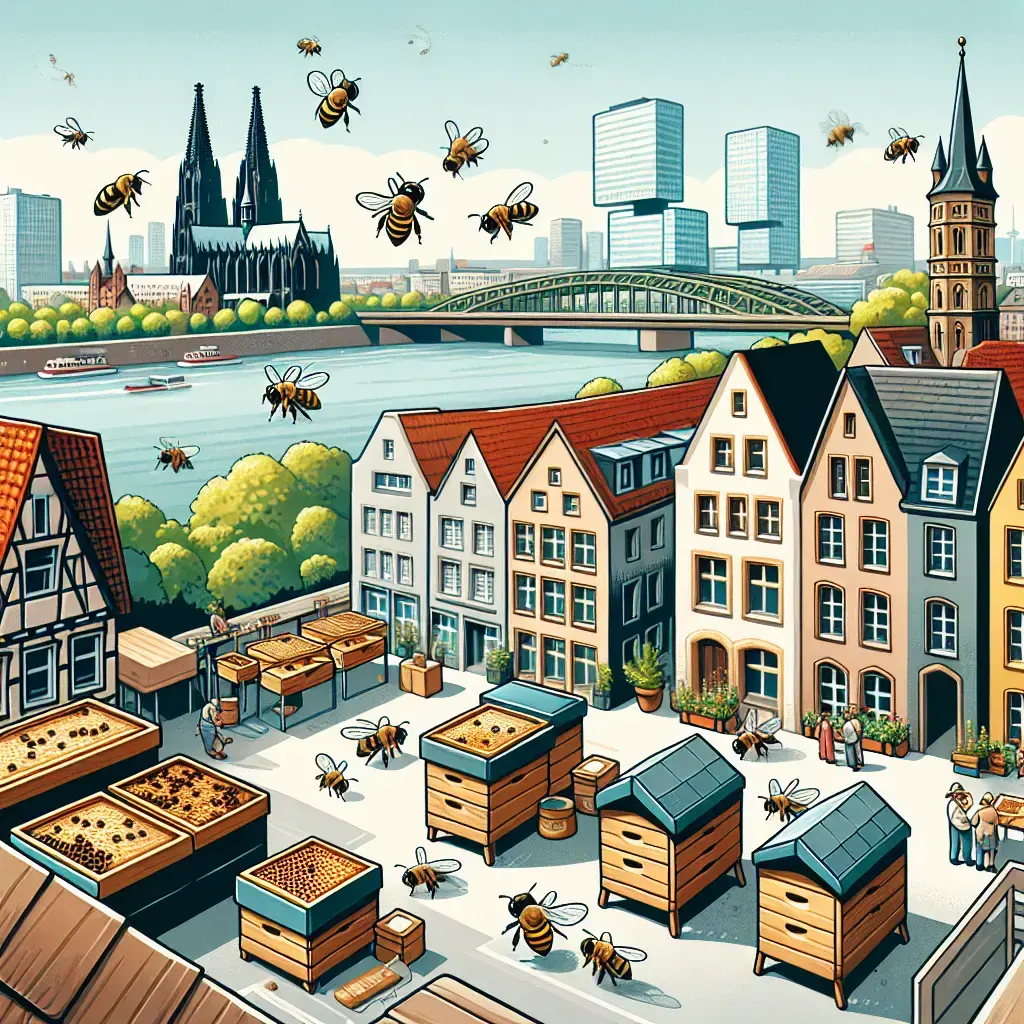
With global bee populations declining due to pesticides, habitat loss, and climate change, urban environments have emerged as unexpected sanctuaries for these essential pollinators. Rooftop gardens, community parks, and even private balconies are being transformed into thriving homes for bees. Here’s why urban beekeeping is gaining ground:
Pollinator Powerhouses: Bees are responsible for pollinating one-third of the food we eat. Urban hives contribute to local biodiversity and bolster green spaces.
Educational Opportunities: City-based beehives often double as educational tools, fostering awareness among residents and inspiring environmental stewardship.
Community Building: Urban beekeeping projects bring people together, creating networks of eco-conscious citizens committed to sustainability.
Spotlight on "Bee: Wild"
"Bee: Wild" aims to capture not only the magic of bees but also the urgency behind protecting them. By featuring high-profile advocates like Jolie and Goulding, the series hopes to broaden its audience and encourage more urbanites to get involved.
Key aspects the documentary is expected to explore:
- The surprising adaptability of bees in metropolitan settings
- The challenges and triumphs faced by urban beekeepers
- Practical steps that anyone can take to support pollinator health in their own neighborhoods
How You Can Support Urban Beekeeping
Inspired by stories like those shared in "Bee: Wild", you might be wondering how you can help support urban bees:
Practical Ways to Help Bees in the City
1. Plant Pollinator-Friendly Flowers: Even a window box can provide vital nutrition for city bees.
2. Support Local Honey Producers: Buying from urban beekeepers keeps the practice viable and benefits your community.
3. Educate Yourself and Others: Attend workshops or watch documentaries like "Bee: Wild" (learn more at this link) to deepen your understanding of bee conservation.
Urban beekeeping isn’t just a trend—it’s a crucial part of our efforts to build sustainable cities and protect global food supplies.
As documentaries like "Bee: Wild" spark global conversations, let’s remember that every flower planted and every hive supported brings us one step closer to a thriving future for both bees and humans.
Stay wild, stay buzzing.

Leave a Comment