
Urban landscapes are buzzing with new life as innovative projects blend sustainability, renewable energy, and beekeeping to support both our environment and communities.
On World Bee Day, an inspiring initiative took root at the Crystal Hill Solar site in Halifax County, Virginia, where a new apiary has been established alongside cutting-edge solar installations. This groundbreaking project is a shining example of urban beekeeping meeting clean energy—a partnership that brings numerous benefits to both pollinators and people.
Pollinator Power in Urban Spaces
Bees are vital pollinators, playing a critical role in the health of ecosystems and food production. Urban beekeeping—placing managed beehives in city settings or on non-traditional land like solar farms—is an emerging trend that addresses the urgent need to protect and nurture bee populations. The integration of apiaries into solar sites is particularly noteworthy because it:
Enhances local biodiversity: Flower-rich landscapes around solar panels attract not only honey bees but also native pollinators, improving the habitat for a variety of species.
Supports local agriculture: Strong bee populations contribute to better crop yields for nearby farms, benefiting local farmers and communities.
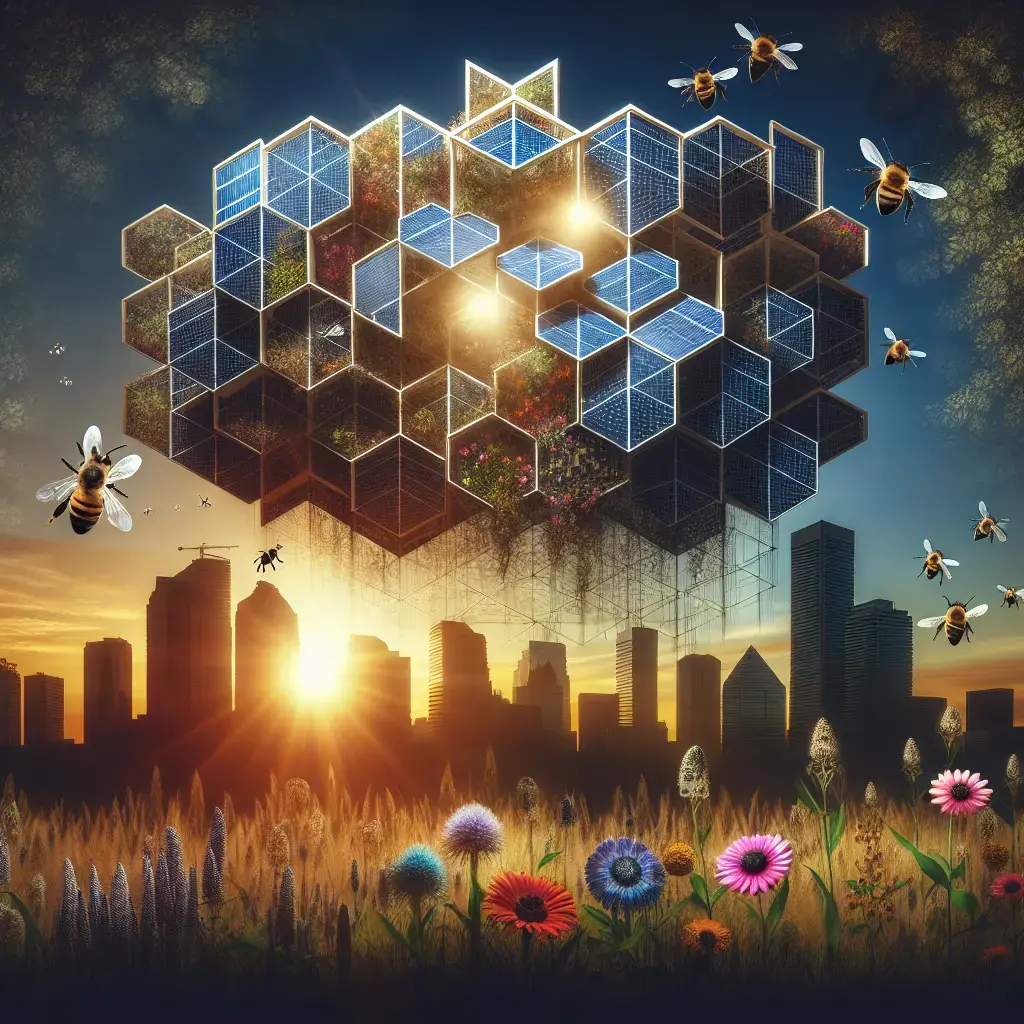
Demonstrates innovative land use: Solar farms can double as pollinator habitats, maximizing the value of land while producing clean energy.
A Win-Win for Community and Environment
The new apiary at the Virginia solar site is more than just a home for bees. It’s a living laboratory for pollinator research, forging collaborations between renewable energy developers and local farmers. The project aims to:
1. Strengthen local habitats by cultivating pollinator-friendly plants around solar panels.
2. Provide educational opportunities about the importance of bees and pollination.
3. Foster partnerships that encourage environmental stewardship and community engagement.
Pioneering Urban Beekeeping at Solar Sites
By pairing American-made energy solutions with sustainable agricultural practices, this initiative demonstrates how urban beekeeping can thrive even in unexpected places—like beneath the quiet hum of solar panels.
Looking Ahead: The Future of Urban Beekeeping
As cities and rural communities alike look for ways to coexist with nature, projects like this set a powerful precedent. Urban beekeeping isn’t just about honey production; it’s about integrating nature-based solutions into our infrastructure, supporting biodiversity, and ensuring that future generations inherit healthy, thriving ecosystems.
For more details on this inspiring collaboration between renewable energy and urban beekeeping, read the full article here.
Together, let’s keep our cities buzzing with life—one hive at a time!
The Impact of Bees on Sustainable Urban Development
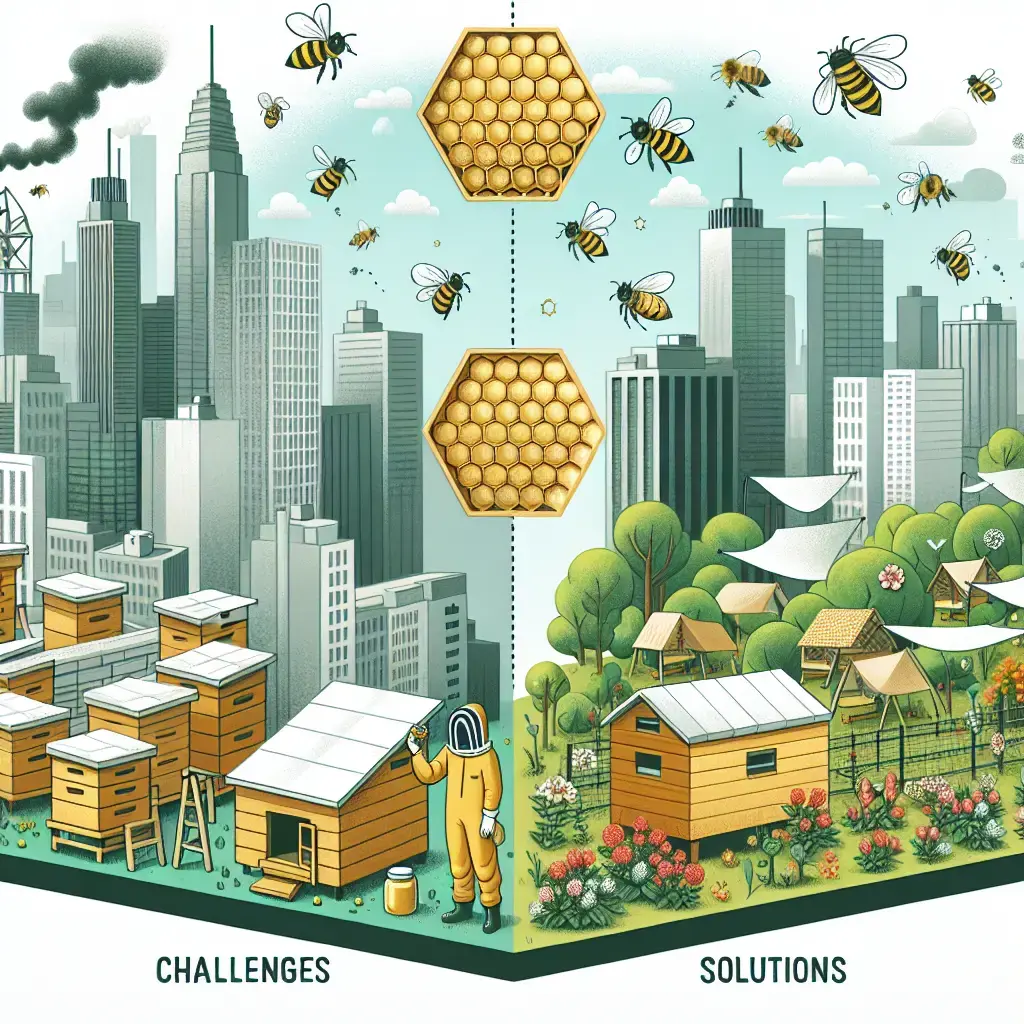
Urban beekeeping at renewable energy sites shows how cities can become partners with nature instead of being at odds with it. When clean energy generation coexists with pollinator habitats, both environmental health and community well-being are supported.
This model of integrating apiaries with solar developments can be replicated in cities and towns everywhere, helping to address both climate change and biodiversity loss through practical, community-centered action.
The story of the Crystal Hill Solar site apiary is proof that forward-thinking collaborations can transform our urban landscapes into vibrant ecosystems where people and pollinators flourish together.
With continued innovation and cooperation, urban beekeeping will remain a key player in building sustainable, resilient communities for generations to come.

Leave a Comment