

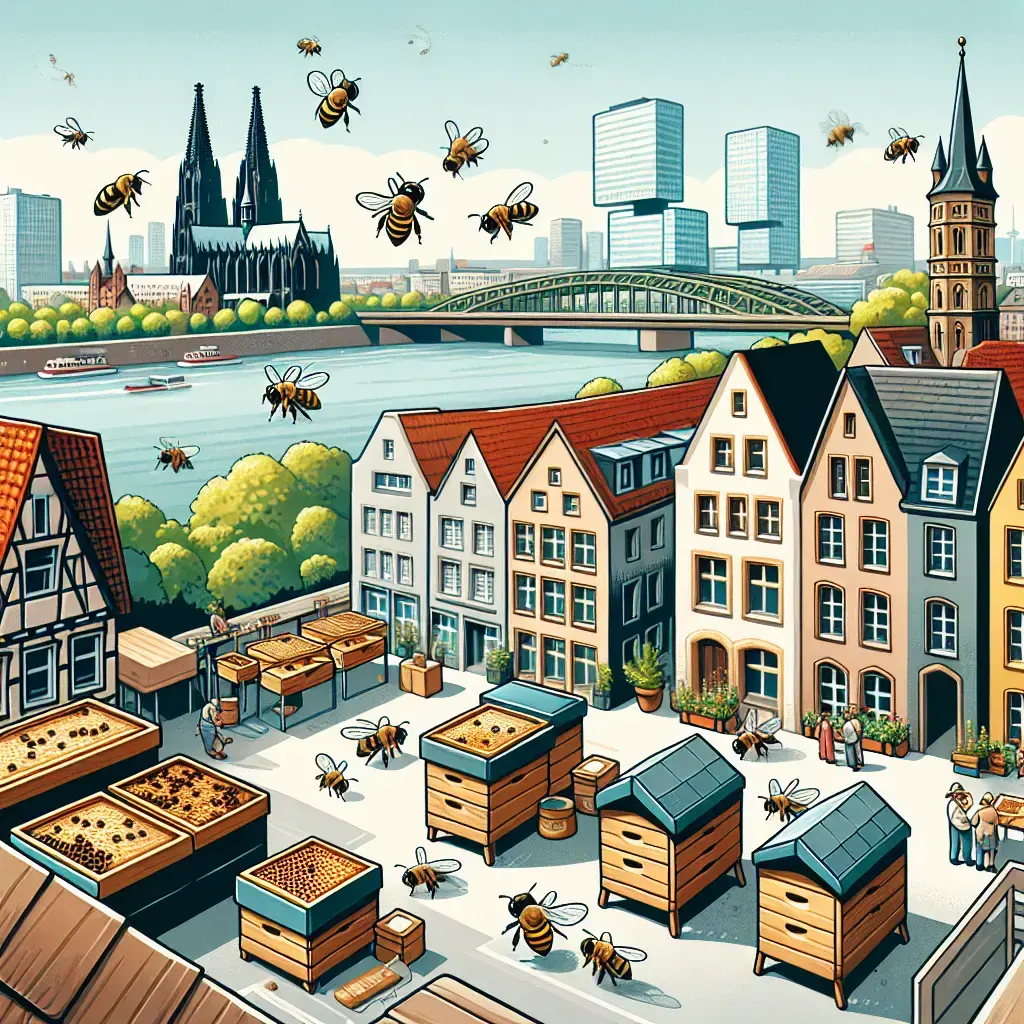
Amidst the urban bustle, bees continue their tireless work high above the city streets, quietly shaping the landscape of our cities and our future.
Every year, World Bee Day offers a chance to recognize the vital role bees play in ecosystems and food production. In cities like Cologne, Germany, this celebration takes on new meaning as hundreds of thousands of bees thrive in rooftop hives, demonstrating how urban environments can become unlikely havens for these essential pollinators.
Urban Rooftop Hives: A Buzzing Success
On the eighth annual World Bee Day, approximately 400,000 bees in Cologne’s urban rooftop hives were observed diligently making honey. These city-dwelling bees remain blissfully unaware of the mounting threats to their survival, such as habitat loss, pesticides, and climate change. Yet their presence in city spaces offers hope for a more sustainable coexistence between humans and nature.
Why Urban Beekeeping Matters
Urban beekeeping is more than a trend—it’s a crucial part of ensuring pollinator populations can adapt and survive in changing landscapes. Here’s why it matters:
Pollination Power: Bees in urban areas contribute to pollinating community gardens, parks, and balcony plants, supporting urban biodiversity and food production.
Educational Opportunities: City-based hives provide hands-on opportunities for residents to learn about pollinator health and environmental stewardship.
Resilience Building: By establishing hives in diverse environments, beekeepers help build resilient bee populations that may be less vulnerable to certain pests and diseases.
Community Engagement: Urban beekeeping initiatives often bring people together, fostering a sense of connection to nature even in densely populated areas.
The Challenges Facing Urban Bees
While bees may appear unaffected as they go about their daily routines atop city rooftops, the reality is more complex. Scientists and experts warn of significant threats that endanger bee populations everywhere:
Pesticide Use: Even in cities, the use of chemical pesticides can impact bee health.
Habitat Fragmentation: Urban development can limit the availability of flowering plants and nesting sites.
Climate Change: Altered weather patterns and rising temperatures can disrupt bees’ natural cycles and food sources.
These challenges underscore the importance of continued research, responsible urban planning, and active engagement from city residents.
How You Can Support Urban Bees
Whether you’re a city dweller or simply interested in helping pollinators thrive, here are some steps you can take:
1. Plant Bee-Friendly Flowers: Choose native plants that bloom at different times of year to provide consistent forage.
2. Avoid Pesticides: Opt for organic gardening practices whenever possible.
3. Support Local Beekeepers: Buy local honey and beeswax products to support sustainable beekeeping.
4. Create Habitats: Install bee hotels or leave patches of wildflowers in your garden or on balconies.
Celebrating World Bee Day in Urban Spaces
Urban beekeeping highlights a harmonious intersection between modern city life and nature’s ancient rhythms. As seen in Cologne’s bustling rooftop hives, cities have the potential to become vital refuges for pollinators—if we make conscious choices to protect them.
Let’s celebrate World Bee Day by taking small steps to ensure that our urban spaces remain abuzz with life for generations to come.
For more insights into urban beekeeping on World Bee Day, read the original article here.
Keep buzzing with curiosity.



Leave a Comment