
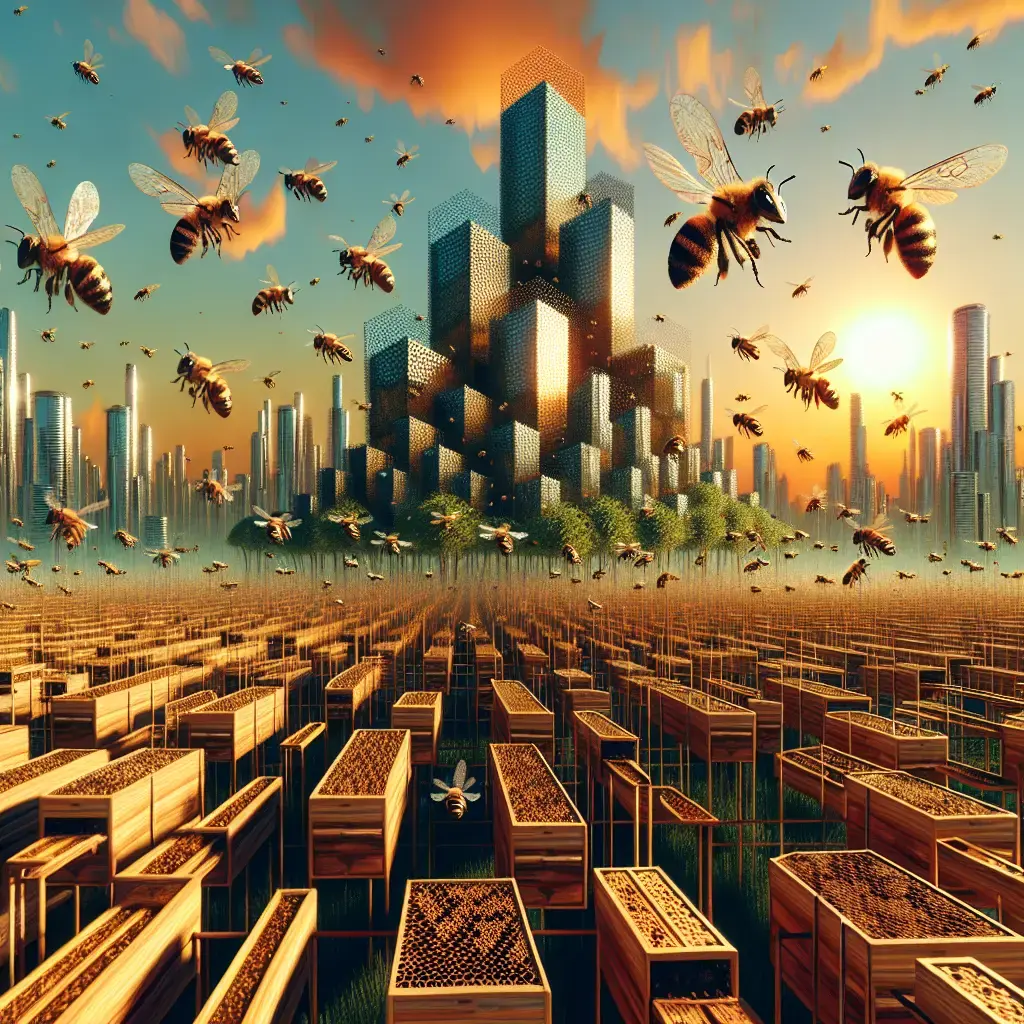
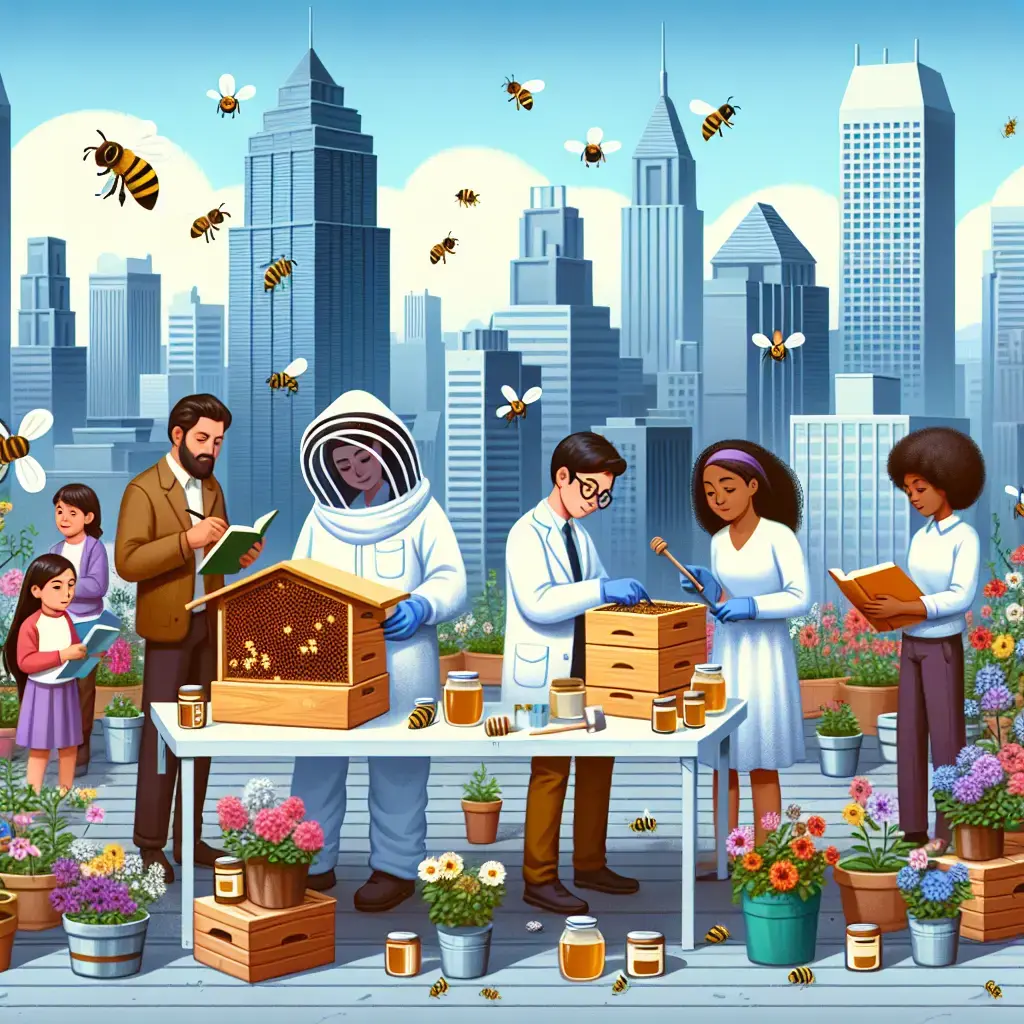
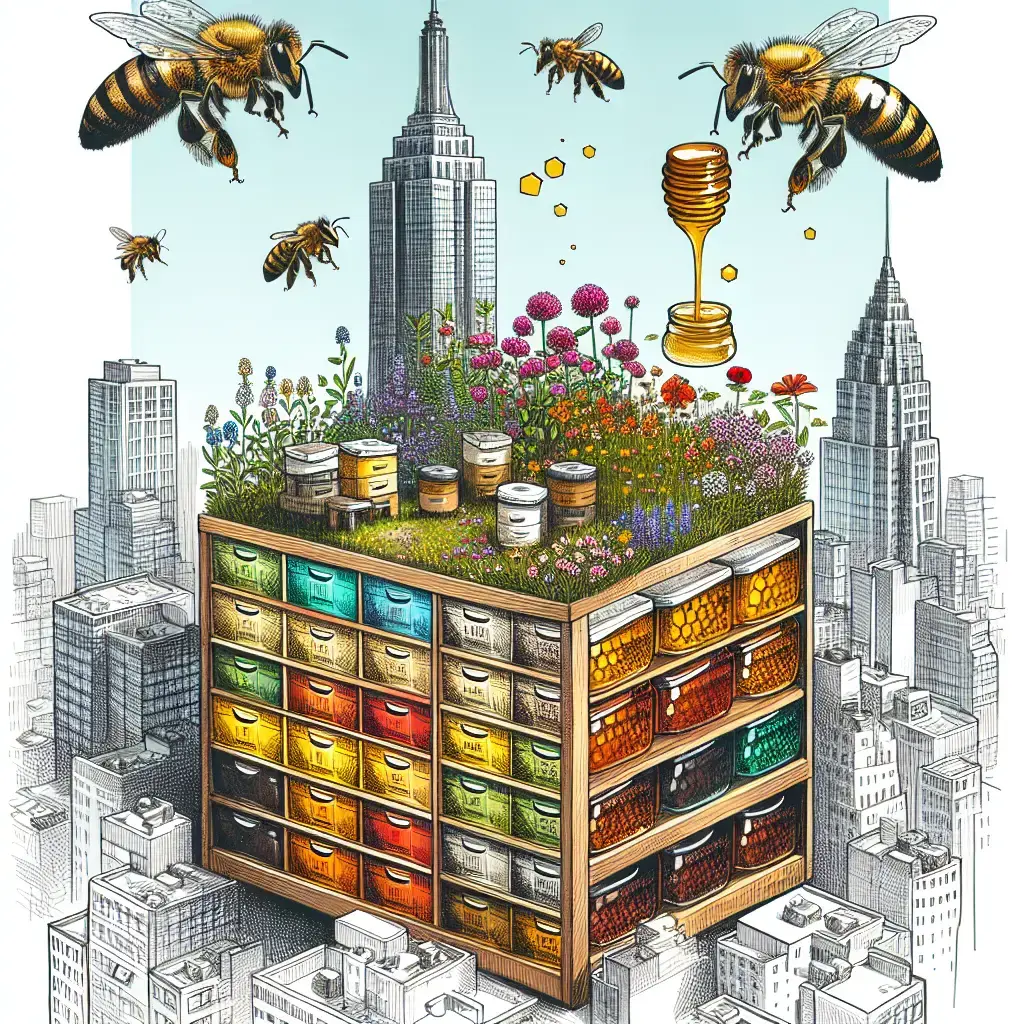
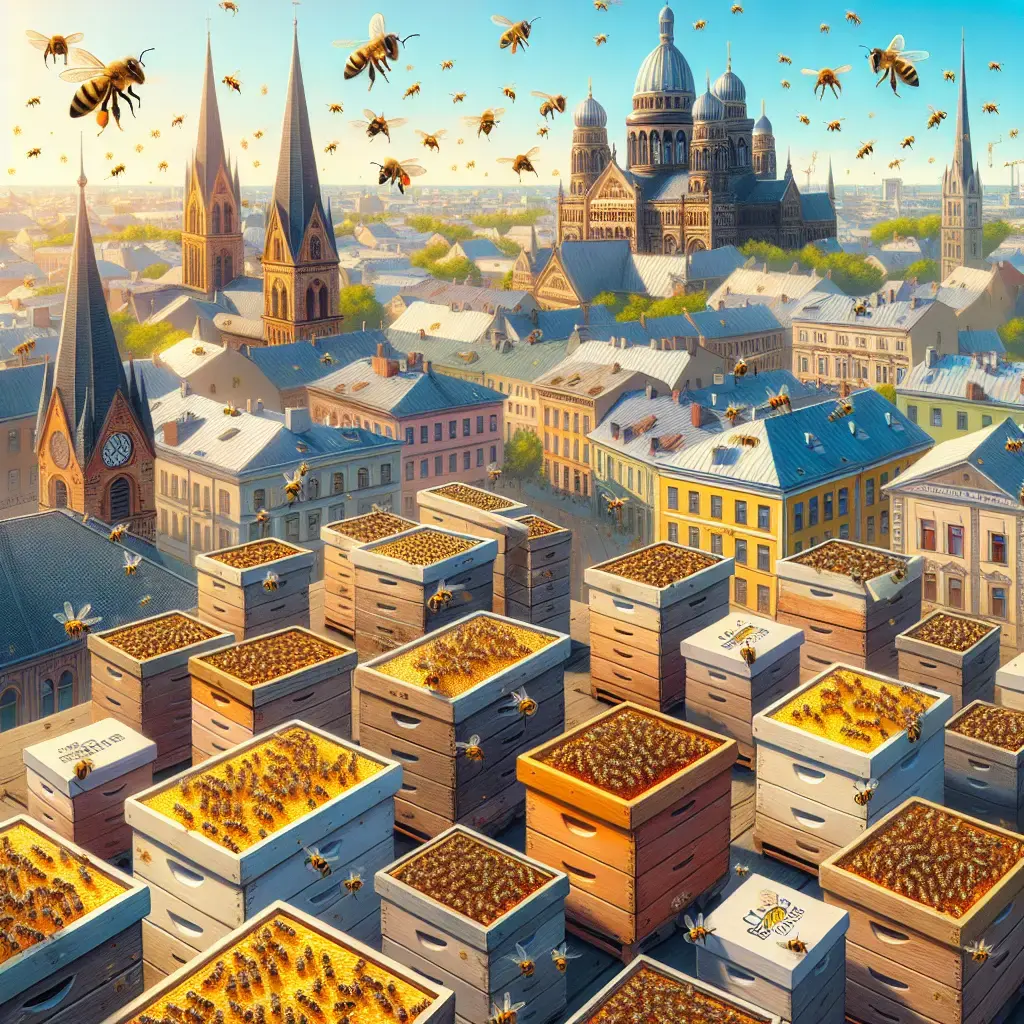
In the bustling heart of cities worldwide, a quiet revolution is buzzing its way into community consciousness: urban beekeeping. As a cornerstone of urban agriculture, this movement is redefining how we perceive our food systems and environmental responsibilities. Urban beekeeping initiatives are sprouting up in unexpected places—rooftops, gardens, and community parks—bringing with them a myriad of benefits that extend beyond mere honey production. These vibrant pollinator gardens not only support urban ecology but also foster community engagement by connecting residents to the natural world around them.
The benefits of urban beekeeping are manifold, offering sustainable food sources through local honey production while enhancing urban pollinators' roles in supporting thriving ecosystems. Bees and community development go hand in hand, as city beekeeping projects inspire environmental education and community-supported beekeeping efforts. From beekeeping for beginners to seasoned enthusiasts, urban beekeeping workshops provide invaluable resources and knowledge, encouraging participation and promoting sustainable beekeeping practices.
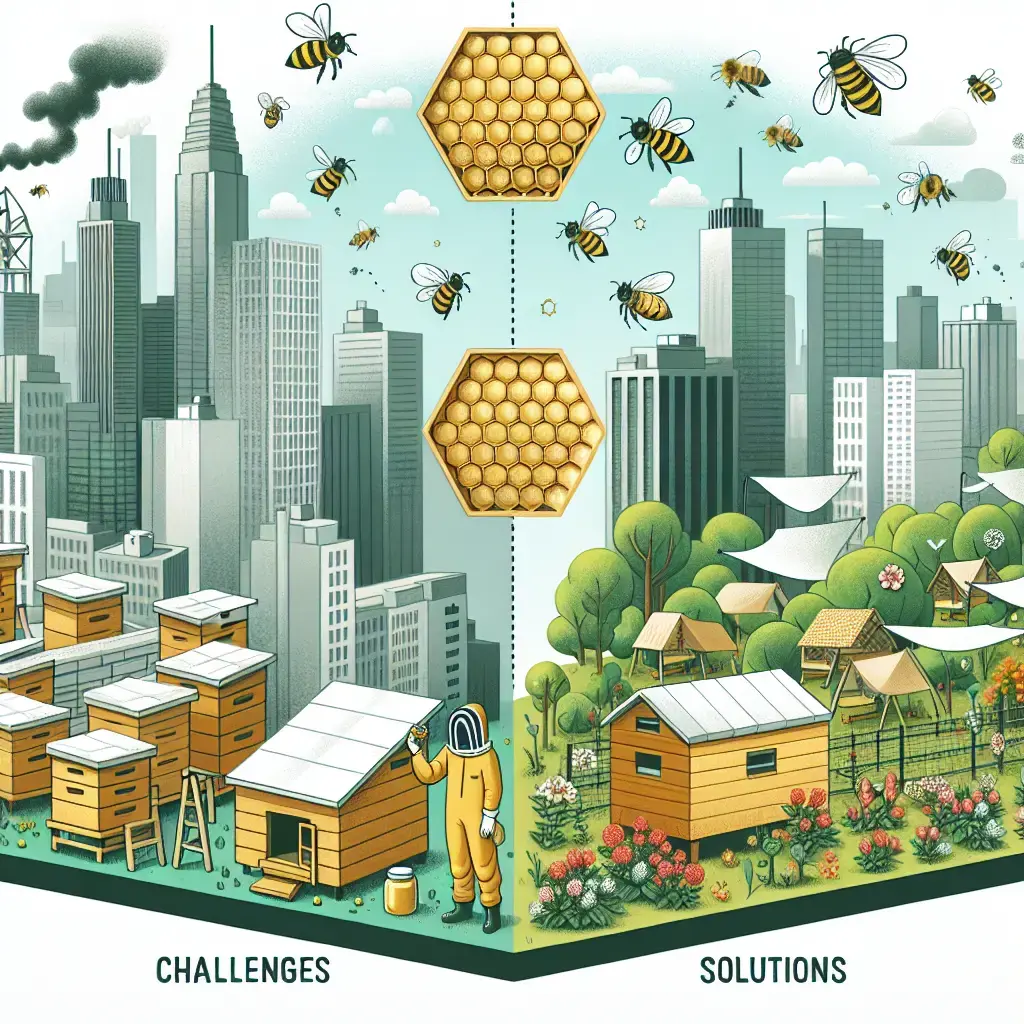
As cities grow and evolve, the local food movement continues to gain momentum, championing sustainability and fostering stronger community ties. Urban beekeeping stands at the forefront of this movement, a testament to our collective capacity for innovative solutions in the face of ecological challenges.
Through these city-based endeavors, urban farming and community engagement are revitalized, demonstrating that even in the concrete jungle, nature can thrive.
As we delve deeper into this fascinating subject, we will explore how these initiatives are transforming our cities and nurturing a new generation of environmental stewards.
The Role of Urban Beekeeping in Community Engagement
Urban beekeeping is gaining momentum as a catalyst for community engagement, transforming the urban landscape in profound ways. By integrating beekeeping into city life, these initiatives not only promote sustainable food sources but also foster a deeper connection between urban dwellers and their environment. In 2024, with the increasing focus on sustainability and community-driven projects, urban beekeeping has emerged as a crucial player in redefining urban spaces.
Pollinator gardens serve as the epicenter of community engagement in urban beekeeping initiatives. These gardens are not only habitats for bees but also spaces where residents can gather, learn, and participate in environmental stewardship. For instance, the Chicago Honey Co-op's urban pollinator gardens have become local landmarks, offering workshops and tours that educate the public about the importance of bees in urban ecology source.
Key Activities in Pollinator Gardens:
- Workshops and Educational Tours: These events provide hands-on learning opportunities about sustainable beekeeping practices and the role of bees in pollination.
- Community Events: Seasonal festivals and honey tastings bring together people of all ages, fostering a sense of community and shared responsibility towards urban agriculture.
Beekeeping for Beginners: Opening Doors to New Experiences
Urban beekeeping workshops are designed to welcome both novices and seasoned enthusiasts. These workshops are pivotal in demystifying beekeeping and equipping participants with the skills needed to maintain healthy hives. As part of this initiative, organizations like Bees in the D have been instrumental in offering beginner-friendly classes across Detroit. Their approach not only emphasizes local honey production but also highlights the broader implications of urban pollinators in sustainable food sources source.
The concept of community-supported beekeeping is akin to community-supported agriculture (CSA), where individuals collectively support local beekeeping projects. This model has gained traction in cities like San Francisco, where groups like Urban Bee SF encourage residents to participate financially or physically in maintaining city beekeeping projects. Such initiatives ensure that the benefits of urban beekeeping are shared widely, promoting collective ownership and responsibility source.
Benefits of Community-Supported Beekeeping:
- Shared Resources: Allows for shared use of equipment and knowledge, reducing individual costs.
- Community Building: Strengthens ties among participants, fostering a collaborative spirit.
- Enhanced Local Food Movement: Contributes to the availability of locally produced honey, supporting sustainable food systems.
Urban Beekeeping and Environmental Education
Incorporating bees into urban settings offers unique opportunities for environmental education. Programs aimed at schools and community groups emphasize the role of bees in ecosystems and the importance of biodiversity. According to a recent initiative by New York City's Bee Conservancy, educational programs have significantly increased awareness about bees and their environmental benefits source.
Educational Program Highlights:
- School Partnerships: Schools collaborate with local beekeepers to incorporate bee studies into science curriculums.
- Interactive Learning Modules: Hands-on activities such as building bee hotels or planting pollinator-friendly plants engage participants actively.
- Public Lectures and Seminars: Experts share insights on global beekeeping trends and local adaptations.
Urban Farming: Integrating Bees into Broader Agricultural Practices
Urban farming initiatives are increasingly integrating beekeeping to enhance productivity and biodiversity. The synergy between bees and crops is particularly evident in projects like Atlanta's Urban Farming movement, where bees contribute significantly to the pollination of urban farms source. This integration not only boosts crop yields but also supports a more resilient urban ecosystem.
Rhetorical Engagement: Why Should You Care About Urban Beekeeping?
Have you ever wondered how your local environment could thrive with just a little bit of help from nature’s most industrious workers? Urban beekeeping might hold the answer. By engaging with these initiatives, individuals can play an active role in enhancing their communities while enjoying the tangible benefits of a healthier, more sustainable urban environment.
City Beekeeping Projects: Pioneering Urban Transformation
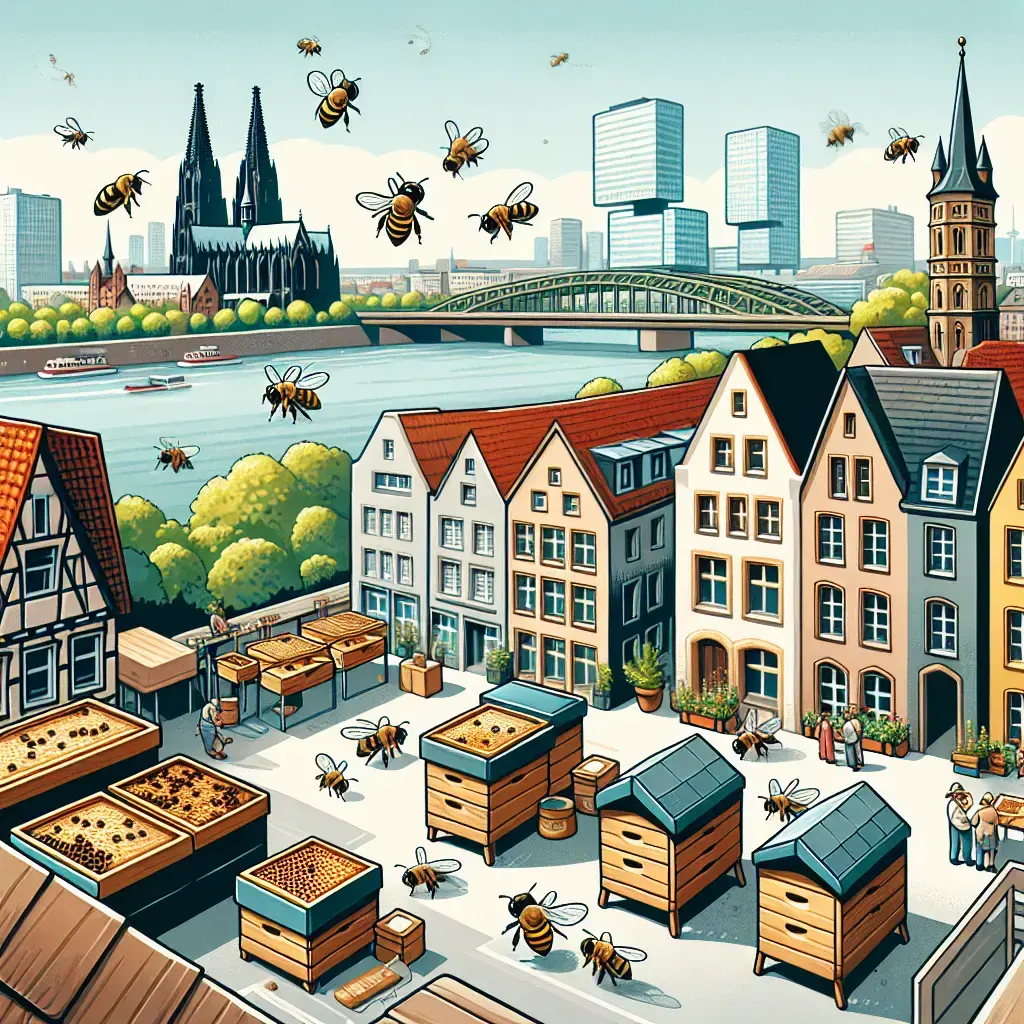
In cities like London, the integration of beekeeping into urban planning has set a precedent for other metropolises worldwide. Projects such as those led by the London Beekeepers’ Association demonstrate how urban beekeeping can transform underutilized spaces into vibrant ecological hotspots source.
Successful Elements of City Beekeeping Projects:
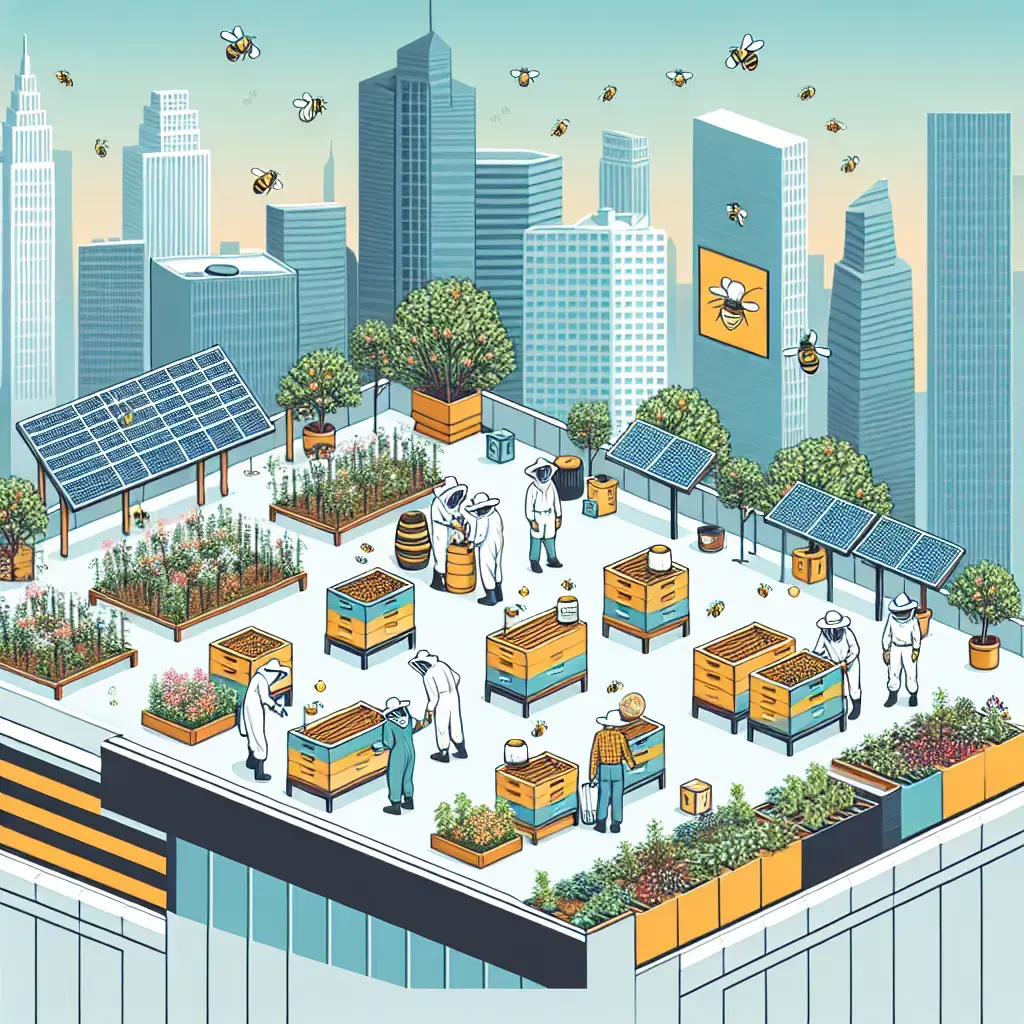
- Strategic Placement: Rooftops and vacant lots are transformed into productive spaces.
- Community Involvement: Residents are involved from planning through to implementation.
- Sustainability Focus: Emphasizes practices that are both environmentally friendly and economically viable.
In conclusion, while urban beekeeping is revolutionizing how we perceive city life, its true potential lies in its ability to engage communities. Through collaborative efforts and educational outreach, these initiatives not only promote sustainable food sources but also cultivate an ethos of environmental stewardship that resonates across generations. As urban landscapes continue to evolve, so too does the role of bees, proving that even in the heart of bustling cities, nature finds a way to thrive.
In summary, urban beekeeping is reshaping city life by fostering community engagement and promoting sustainability. Key initiatives, such as pollinator gardens, serve as community hubs where residents can learn about bees and environmental stewardship. Workshops and tours educate participants about sustainable practices, while community-supported beekeeping empowers residents to collectively support local projects.
- Pollinator Gardens: Act as community gathering spaces for education and interaction.
- Beekeeping Workshops: Welcome novices and enthusiasts, emphasizing sustainable practices.
- Community-Supported Beekeeping: Encourages shared responsibility and resource use.
- Environmental Education: Integrates bees into curriculums, enhancing ecological awareness.
- Urban Farming Integration: Boosts crop yields and biodiversity through bee pollination.
Urban beekeeping is more than just a trend—it's a movement that redefines urban spaces through collaboration and education. By engaging in these initiatives, individuals help cultivate a sustainable urban ecosystem. As cities continue to evolve, so too does the role of bees, demonstrating that nature thrives even in urban settings.
We invite you to share your experiences or insights on urban beekeeping. How has it impacted your community or personal outlook on sustainability? Your thoughts could inspire others to explore the buzzing world of urban beekeeping.
Bee well and keep buzzing with curiosity! 🐝


Leave a Comment