


Urban rooftops are buzzing with life as beekeeping becomes a powerful movement for biodiversity and sustainability in our cities.
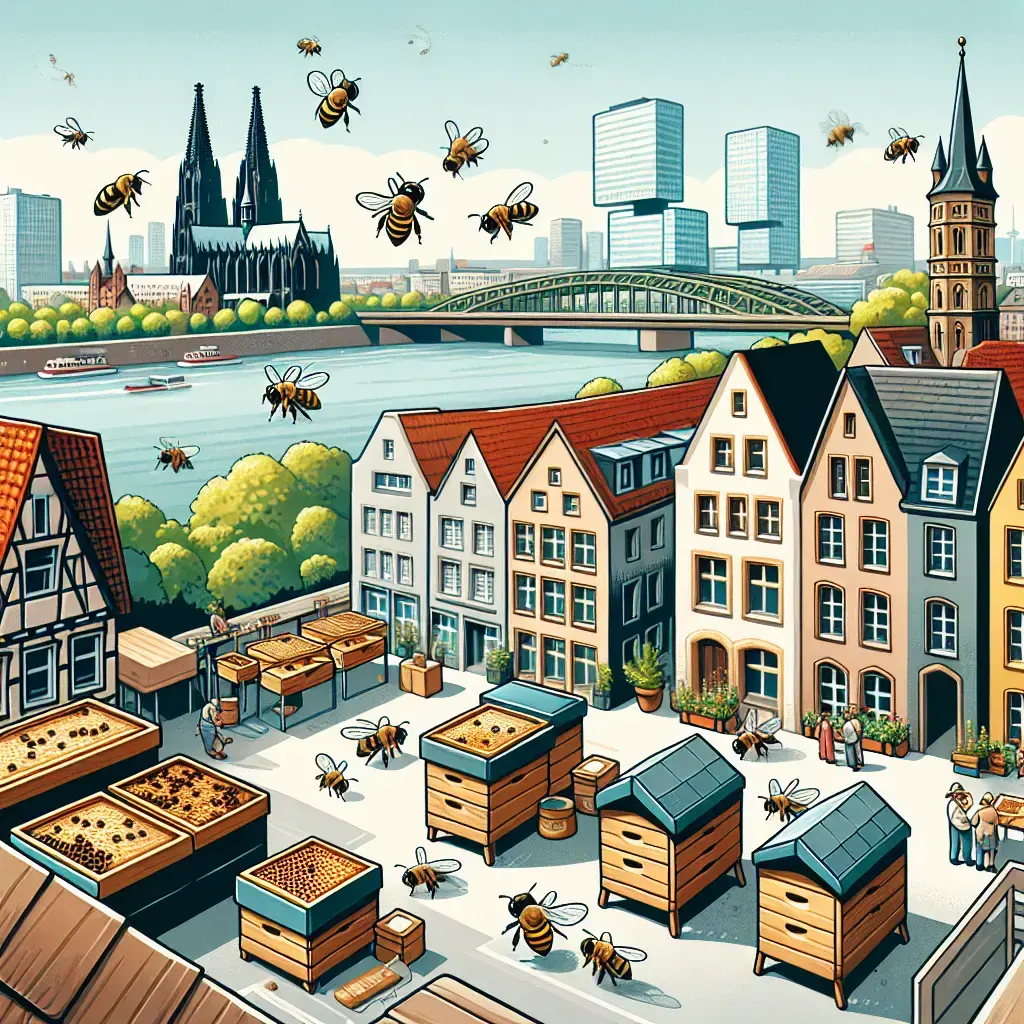
Across the globe, urban beekeeping is taking root, transforming cityscapes into vital sanctuaries for bees—a fact highlighted on the recent World Bee Day, where nearly 400,000 bees thrived atop the rooftops of Cologne, Germany. These industrious pollinators go about their essential work, often oblivious to the many threats that endanger their survival, from habitat loss to pesticides and climate change.
Pollination Power: Bees are fundamental pollinators for many plants, including those in city parks, community gardens, and even private balconies. Their activity helps urban greenery flourish, supporting a richer ecosystem.
Boosting Biodiversity: Rooftop hives and garden apiaries provide bees with new foraging grounds, increasing plant diversity and fostering healthier urban habitats.
Environmental Education: City-based hives serve as living classrooms, helping residents learn about the importance of pollinators and inspiring eco-friendly practices. Urban beekeeping also yields honey that is uniquely flavored by local flora and free from many rural agricultural chemicals.
The Importance and Challenges of Urban Beekeeping
Despite their vital role, bees—both wild and domesticated—face a range of threats that are amplified in urban settings. Cities often lack continuous green spaces, making it harder for bees to find food and shelter. Chemical residues from landscaping can harm bee health or disrupt their navigation. Climate change causes rising temperatures and unpredictable weather patterns, stressing bee colonies and affecting flowering times. Air quality in cities can impact bees' ability to forage efficiently.
To counter these challenges, cities around the world are installing rooftop gardens and hives, banning or reducing the use of harmful pesticides in public spaces, planting pollinator-friendly flowers in parks and on street medians, and supporting community beekeeping initiatives and workshops. Cologne’s celebration of World Bee Day is just one example of how urban centers can become refuges for bees. By raising awareness and providing supportive environments, cities can play a pivotal role in reversing bee decline.
Interested in supporting urban bees? You can start a small rooftop or balcony hive (where permitted), plant bee-friendly flowers and herbs like lavender, thyme, and sunflowers, support local honey producers and beekeepers, or join and volunteer with urban beekeeping groups.
For more inspiration on how urban beekeeping is making an impact worldwide, check out this article.
How You Can Help Bees Thrive in Cities
Every individual action contributes to healthier city environments for bees. Planting pollinator-friendly gardens, reducing pesticide use at home, supporting local beekeepers, and spreading awareness are all effective ways to help our urban pollinators.
As more people embrace urban beekeeping and support bee-friendly initiatives, our cities can become thriving habitats for these essential insects.
Let’s keep our cities buzzing—one hive at a time.
With hope for greener, bee-filled skylines.


Leave a Comment