
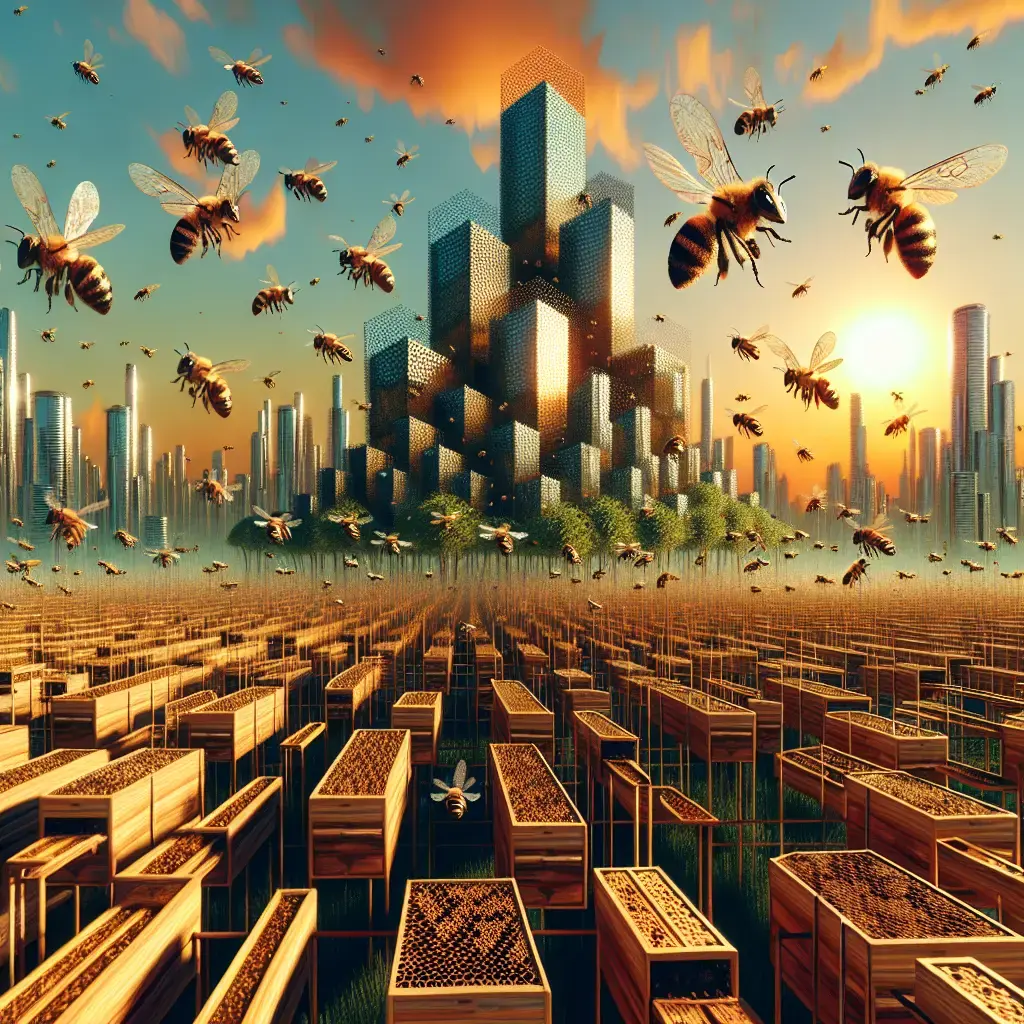

As urban spaces continue to evolve, innovative practices harmonize city living with nature. Rooftop beekeeping has emerged as a compelling trend, transforming urban landscapes into thriving ecosystems. In bustling cities, where green spaces are scarce, rooftop apiaries redefine urban agriculture and foster biodiversity. This practice is an intersection of sustainability and ingenuity, offering ecological benefits and unique opportunities for city dwellers.
As urban landscapes evolve, integrating nature into city living becomes increasingly vital. Among the most innovative practices is rooftop beekeeping, transforming rooftops into ecosystems that address the scarcity of green spaces while fostering biodiversity.
Rooftop beekeeping significantly impacts urban biodiversity, acting as a catalyst for enhancing city environments. By providing essential habitats for urban pollinators, it supports city agriculture and greenery. Recent studies emphasize understanding bee biology to optimize sustainable beekeeping practices.
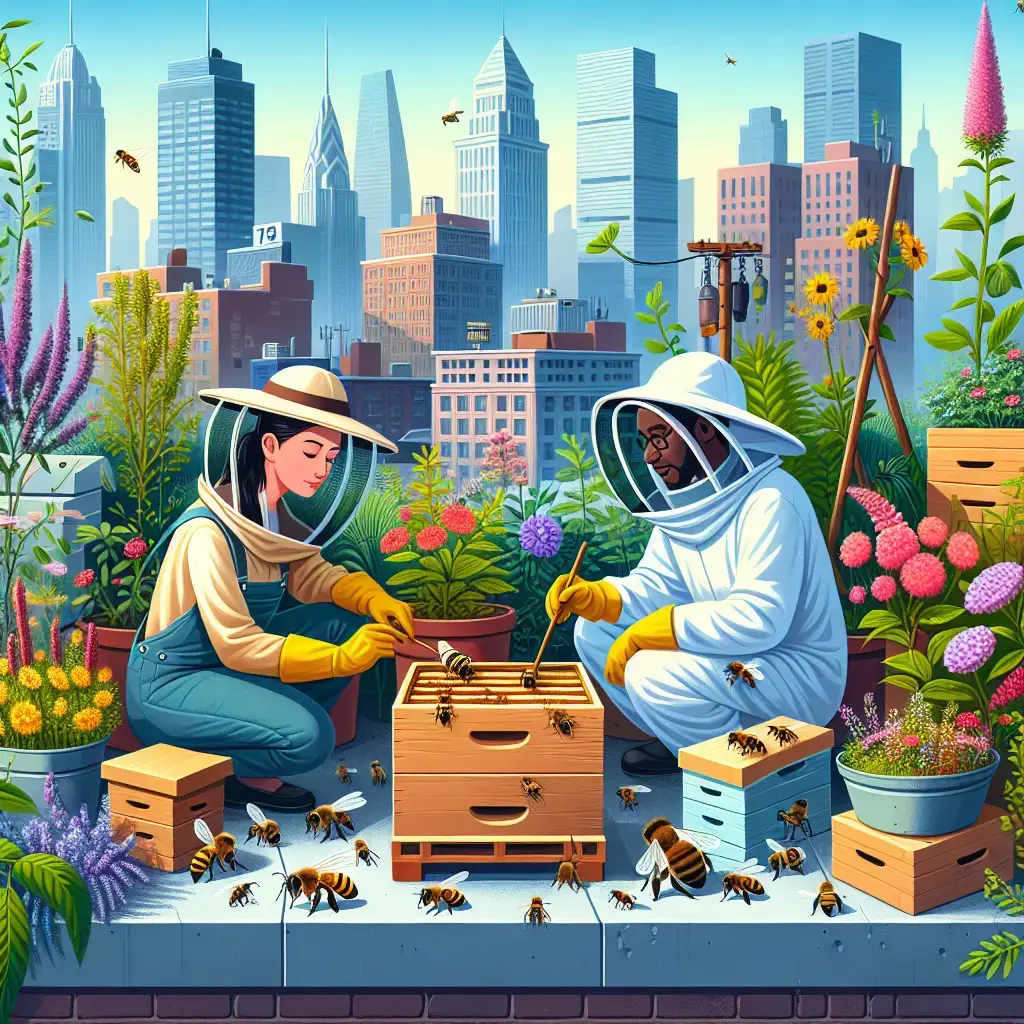
Sustainable beekeeping practices are central to the rooftop beekeeping movement. By integrating these practices, beekeepers support local food systems and enhance community resilience. Rooftop garden bees play a pivotal role in pollinating urban crops, essential for city agriculture.
Despite its benefits, urban beekeeping faces challenges like potential bee population over-saturation, leading to competition for floral resources. Cities like New York implement regulations to manage rooftop apiaries.
The Allure of Rooftop Honey Production
City beekeeping's allure lies in rooftop honey production, offering unique and flavorful honey that reflects environmental health. Rooftop honey provides a taste of the local environment, supporting urban agriculture by encouraging appreciation of natural resources.
The production process offers community involvement opportunities. Urban apiaries invite residents to participate in honey harvesting events, fostering connection with nature and highlighting sustainable practices.
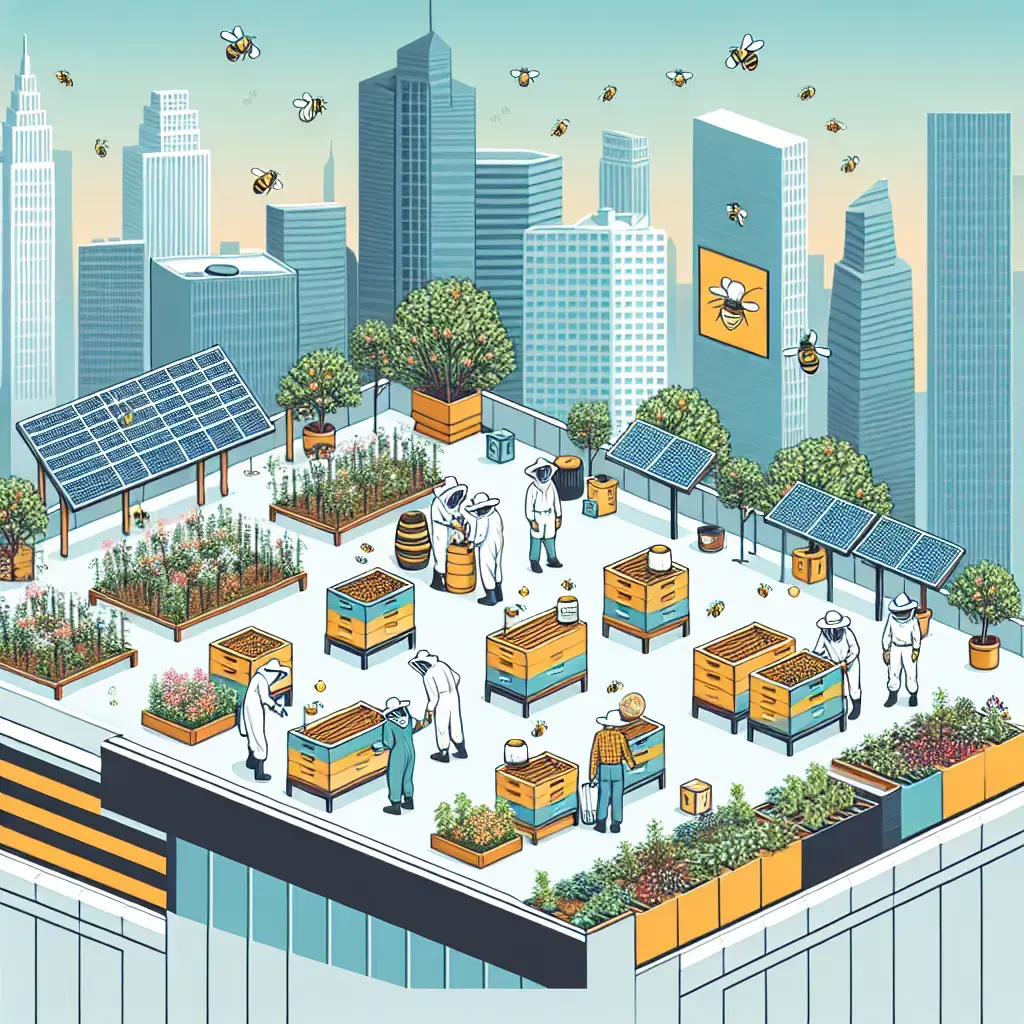
Looking towards 2024, recent developments shape rooftop beekeeping's landscape. Technological advancements enable more efficient hive management, including remote monitoring systems that track hive health and productivity.
Collaborations between urban planners and environmental organizations integrate rooftop apiaries into city planning efforts. Cities like Amsterdam pioneer projects incorporating beehives into urban development plans, demonstrating biodiversity conservation commitment.
Conclusion: The Future of Urban Beekeeping
Rooftop beekeeping blends innovation with tradition, offering numerous benefits for city environments. As we navigate its challenges and opportunities, it's clear this practice holds potential for transforming urban spaces into ecological hubs.
By supporting sustainable practices, embracing new technologies, and fostering community engagement, we can ensure urban environments not only survive but flourish for future generations. Whether a seasoned beekeeper or an interested city dweller, there's no denying rooftop beekeeping offers a compelling vision for a sustainable future.
Reflect on how rooftop beekeeping might impact your city or community. Share your experiences or thoughts in the comments below. Together, let's explore possibilities for greener, more resilient urban spaces.

Leave a Comment