


In the heart of bustling metropolises, an unexpected ally is quietly enhancing local biodiversity: the honeybee. Urban beekeeping is not only transforming cityscapes but also fostering a symbiotic relationship between bees and urban biodiversity. As city dwellers and businesses alike begin to recognize the profound impact of urban beekeeping on biodiversity, this practice is rapidly gaining traction. The benefits of urban beekeeping extend beyond the obvious ecological impact, offering a myriad of advantages for urban businesses and local communities.
By establishing urban apiaries, companies are taking part in biodiversity-friendly business practices that not only support environmental sustainability but also enhance their corporate image. The business benefits of urban beekeeping are manifold, ranging from promoting sustainability to fostering community engagement. Furthermore, the economic benefits cannot be overlooked, as urban beekeeping presents an opportunity for companies to align with sustainable practices while tapping into new markets.
The influence of urban pollinators on biodiversity is significant. Bees play a crucial role in the pollination process, which is vital for the health of local flora and fauna. By enhancing local biodiversity with beekeeping, businesses can actively contribute to creating a thriving ecosystem within the urban environment.
As urban beekeeping continues to make its mark, it offers a promising avenue for enhancing biodiversity in cities. This burgeoning movement signals a shift towards more sustainable urban landscapes, where nature and business coexist harmoniously. Dive deeper into how sustainable urban beekeeping is revolutionizing city life and discover the transformative power of bees in our cities.
Urban beekeeping is increasingly recognized for its transformative impact on local biodiversity, particularly in the urban environment. As more cities embrace this practice, understanding its multifaceted benefits is crucial for businesses and communities alike. Recent developments highlight the importance of urban beekeeping in enhancing biodiversity, providing ecological, economic, and social benefits.
The Benefits of Urban Beekeeping for Local Biodiversity
Urban beekeeping is increasingly recognized for its transformative impact on local biodiversity, particularly in the urban environment. As more cities embrace this practice, understanding its multifaceted benefits is crucial for businesses and communities alike. Recent developments highlight the importance of urban beekeeping in enhancing biodiversity, providing ecological, economic, and social benefits.
Ecological Benefits of Urban Beekeeping
Pollination and Plant Diversity: Urban pollinators like bees play a vital role in the pollination of both wild and cultivated plants. This process is essential for maintaining plant diversity and supporting ecosystems within cities. According to a study by the University of Bristol, urban beekeeping has significantly increased the variety of flowering plants in metropolitan areas, leading to richer biodiversity.
Supporting Wildlife Habitats: By establishing urban apiaries, cities can create new habitats that support not only bees but also other wildlife species. The presence of bees enhances the availability of food resources for birds and small mammals, creating a thriving urban ecosystem.
Economic Benefits for Businesses
Urban beekeeping offers numerous economic advantages for businesses willing to invest in sustainable practices:
Corporate Image Enhancement: Participating in biodiversity-friendly business practices through urban beekeeping can enhance a company's corporate image. Customers increasingly favor brands committed to sustainability, as highlighted in a 2024 report by Deloitte.
Market Differentiation: Companies engaged in urban beekeeping can differentiate themselves by promoting their commitment to local biodiversity. This differentiation can attract environmentally conscious consumers and partners.
Potential Revenue Streams: Businesses can explore new revenue streams by selling honey and other bee-related products. Urban beekeeping also opens opportunities for offering educational tours or workshops, which can further enhance community engagement and brand loyalty.
Social and Community Engagement
Fostering Community Involvement: Urban beekeeping encourages community involvement by offering educational programs about bees and biodiversity. These initiatives increase public awareness and appreciation for the role of bees in urban ecosystems.
Creating Green Spaces: Establishing urban apiaries often involves creating green spaces that beautify city environments and provide recreational areas for residents. These spaces contribute to improved mental well-being and social cohesion.
Partnerships with Local Authorities: Businesses engaged in urban beekeeping can partner with local authorities to support municipal biodiversity goals, as seen in cities like Copenhagen, where city councils collaborate with companies to integrate beekeeping into urban planning.
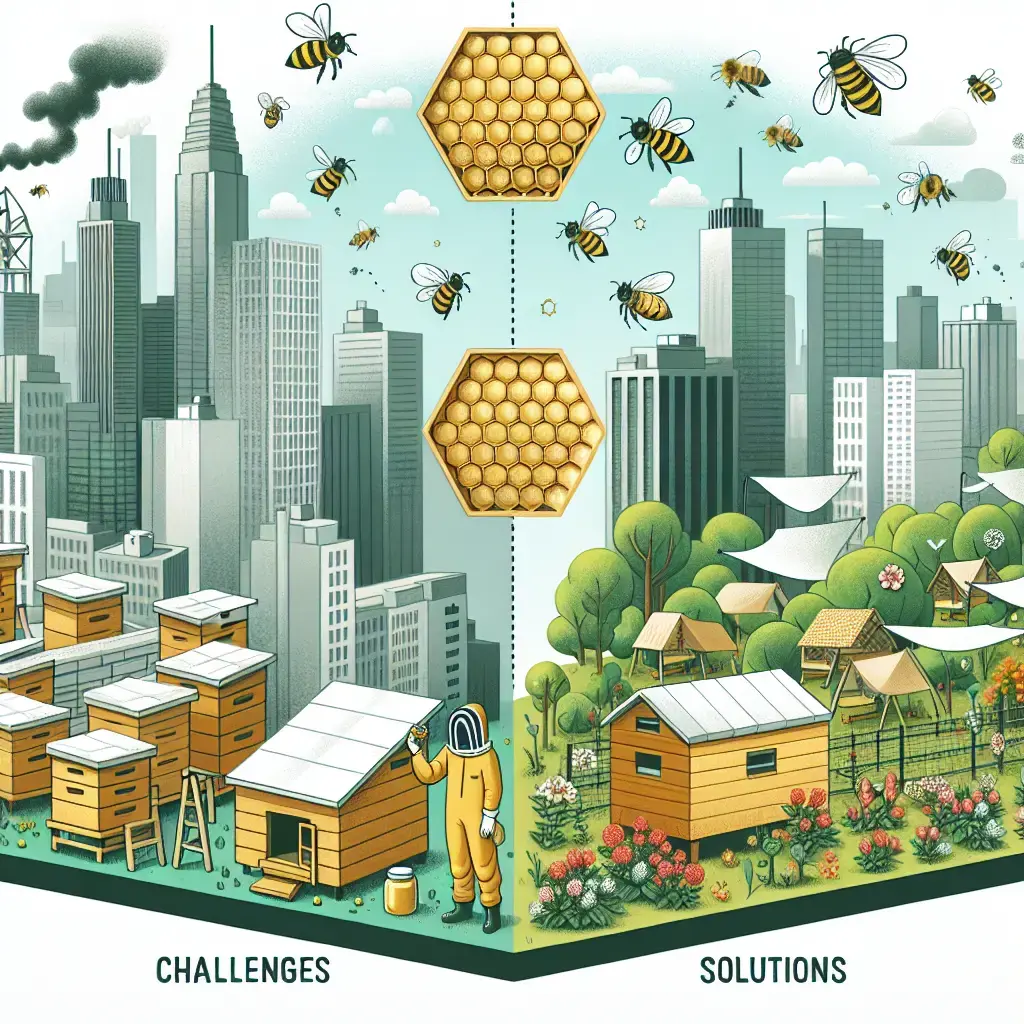
Challenges and Considerations
While the benefits are substantial, urban beekeeping also presents challenges that need careful consideration:
Regulatory Compliance: Businesses must navigate local regulations regarding urban beekeeping to ensure compliance with health and safety standards. This may involve obtaining permits or adhering to specific guidelines on hive placement and maintenance.
Community Concerns: Addressing potential concerns about allergies or bee stings is crucial for gaining community acceptance. Educating the public about the gentle nature of honeybees compared to other insects can help mitigate fears.
Sustainability Practices: Ensuring that urban beekeeping is sustainable involves managing bee populations responsibly to prevent overpopulation, which can lead to resource competition among pollinators.
Case Studies
London's Beekeeping Revolution: London has become a beacon of sustainable urban beekeeping, with initiatives such as the London Honey Company promoting local biodiversity through widespread urban apiaries (London Honey Company). This effort has been credited with increasing awareness of bee conservation across the city.
The New York City Experience: New York City's commitment to enhancing local biodiversity through urban beekeeping is evident in projects like Bee Sanctuary NYC, which integrates apiaries into community gardens (Bee Sanctuary NYC). These efforts showcase the potential for businesses and community groups to collaborate effectively.
Future Prospects
As we move forward, the future of urban beekeeping looks promising. With growing recognition of its benefits for local biodiversity, more cities are likely to adopt policies that encourage this practice. Businesses that align with these trends can expect not only environmental rewards but also economic gains and strengthened community ties.
The impact of bees on urban biodiversity is a testament to nature's ability to thrive even in man-made environments. For those considering investing in sustainable urban beekeeping, the potential benefits far outweigh the challenges, making it a worthwhile endeavor for enhancing both business prospects and city life.
In conclusion, urban beekeeping stands out as a powerful catalyst for enhancing local biodiversity within city landscapes. Its multifaceted benefits span ecological, economic, and social dimensions:
Ecological Enhancement: Urban beekeeping promotes plant diversity through pollination and creates supportive habitats for a variety of wildlife, boosting urban ecosystems' resilience against environmental challenges.
Economic Opportunities: Businesses embracing urban beekeeping can enhance their corporate image, differentiate themselves in the market, and explore new revenue streams such as honey sales and educational experiences.
Community and Social Engagement: This practice fosters community involvement, contributes to the creation of green spaces, and facilitates partnerships with local authorities, strengthening the community fabric.
Final Thoughts or Conclusion
While challenges such as regulatory compliance and community concerns must be navigated carefully, the promise of urban beekeeping to contribute positively to city life remains significant. As more cities recognize these advantages and adopt supportive policies, the potential for both businesses and communities to thrive becomes increasingly apparent.


Leave a Comment