
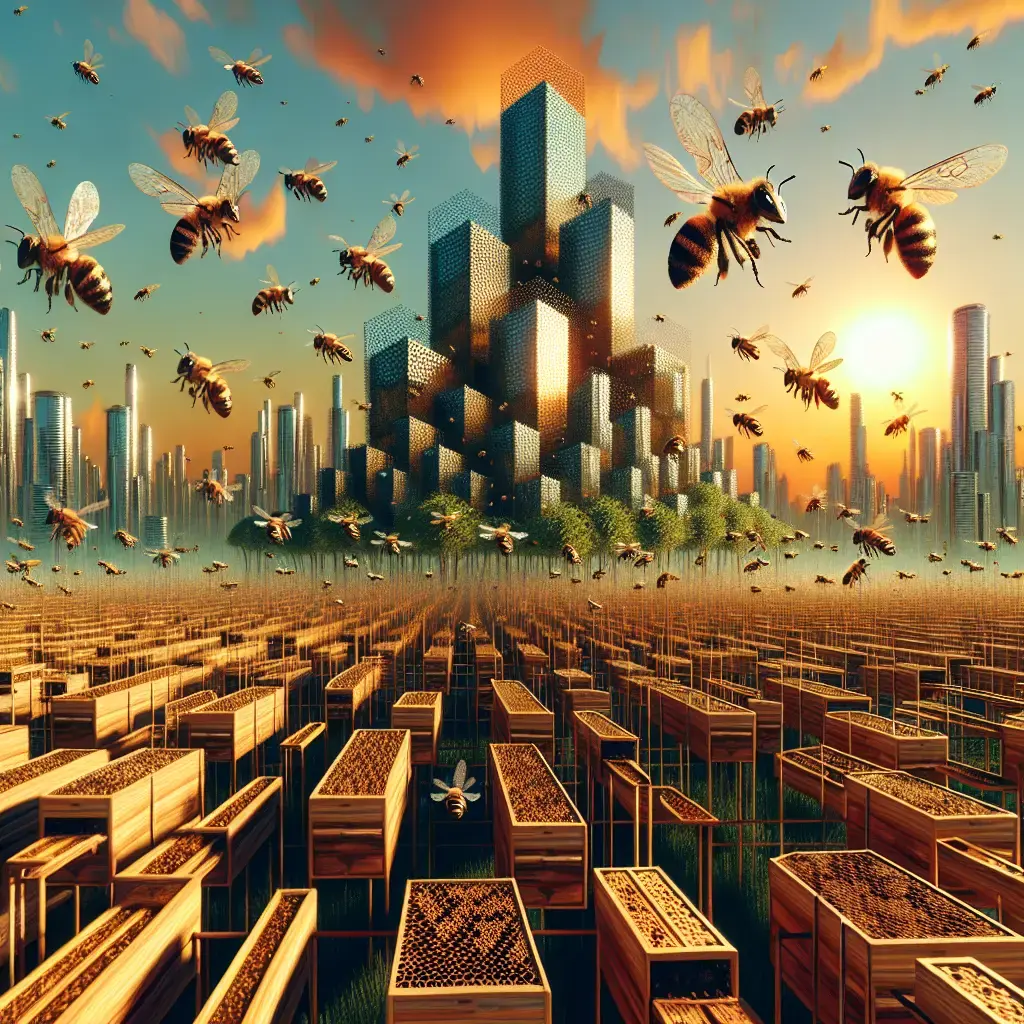
As urban landscapes expand and the buzz of city life grows louder, a quieter, more delicate symphony is emerging from rooftops and backyards: urban beekeeping. This ancient practice is undergoing a renaissance, adapting to the modern world with innovative solutions and technology for beekeepers eager to integrate nature into the concrete jungle. Urban beekeeping challenges, such as limited space, pollution, and fluctuating city temperatures, pose significant hurdles for those aiming to sustain healthy bee populations. However, the fusion of technology in beekeeping is paving the way for sustainable urban beekeeping practices.
Smart beehives and IoT in beekeeping are revolutionizing urban apiary management by offering real-time insights into hive conditions through beekeeping sensors. These technologies enable urban hive management to monitor city bee health, ensuring that colonies thrive despite the urban environment impact on bees. Furthermore, data analytics in beekeeping provide valuable information for urban honey production and city bee population tracking, allowing enthusiasts and professionals alike to make informed decisions.
Urban pollinator gardens have become sanctuaries within cities, supporting not only bees but also biodiversity. As city beekeeping issues evolve, urban beekeeping innovation continues to offer practical urban beekeeping solutions. From smart bee farming techniques to advanced city bee health monitoring systems, technology is transforming the way we manage bees in urban settings. This seamless integration of urban beekeeping technology creates a symbiotic relationship between bees and city dwellers, promising a future where both can flourish. As we delve deeper into these challenges and solutions, we uncover the potential for a harmonious coexistence between nature and the metropolis.
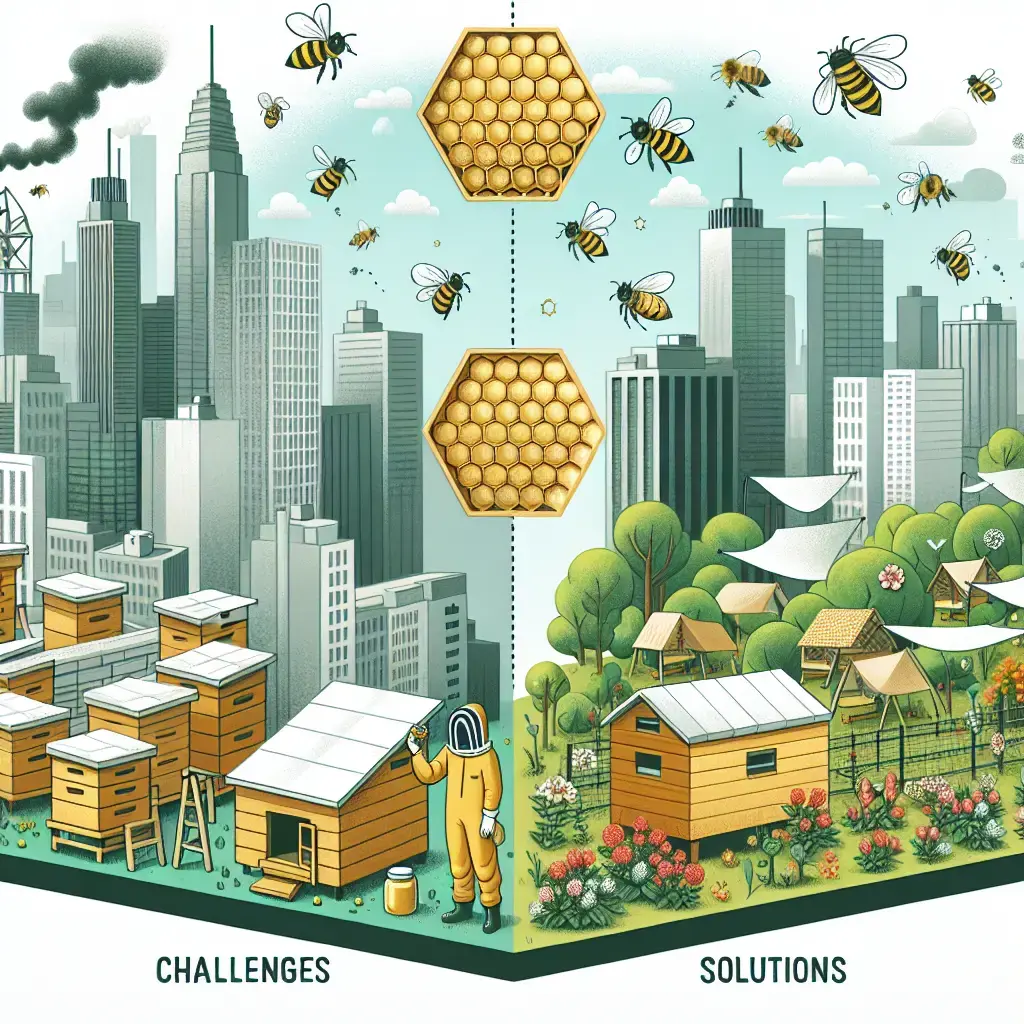
Urban Beekeeping Challenges and Solutions
Urban beekeeping is not without its share of obstacles. As cities expand, so do the challenges faced by those who aim to sustain bee populations amidst skyscrapers and bustling streets. Here, we delve into the most pressing urban beekeeping challenges and explore innovative solutions that are helping beekeepers adapt to the urban landscape.
Limited Space and Urban Environment Impact on Bees
Challenge: One of the primary urban beekeeping challenges is the limited space available for setting up hives. With city dwellers vying for every inch of real estate, finding a suitable location that offers bees enough room to thrive can be difficult.
Solution: Rooftop gardens and terraces have become popular solutions for this space constraint. Urban pollinator gardens provide a dual benefit: they offer habitats for bees and enhance urban biodiversity. By integrating flowering plants into these spaces, beekeepers can create mini ecosystems that support bee health and productivity.
Pollution and Fluctuating City Temperatures
Challenge: The urban environment impact on bees is profound, particularly due to pollution and fluctuating temperatures. Pollution can affect bees' ability to forage and navigate, while heat islands in cities can cause temperature swings that disrupt hive stability.
Solution: Smart beehives equipped with IoT in beekeeping technologies are addressing these issues. Beekeeping sensors within these hives monitor internal conditions like temperature and humidity in real-time, enabling urban hive management to adjust settings for optimal bee health. For instance, a recent study highlights how artificial light can disrupt bees' circadian rhythms. Smart beehives can mitigate such disruptions by maintaining stable conditions within the hive, even when external environments fluctuate.
City Bee Health Monitoring
Challenge: Monitoring the health of bee populations in an urban setting is another significant challenge. Disease spread can be swift in densely populated areas, and without proper city bee health monitoring, entire colonies can be lost.
Solution: Advanced city bee health monitoring systems utilizing technology for beekeepers offer real-time data analytics in beekeeping. These systems allow for early detection of diseases and pests, enabling swift intervention before problems escalate. Beekeepers can now track metrics like hive weight, activity levels, and temperature changes to ensure colonies remain healthy.
Data-Driven Urban Apiary Management
Challenge: Efficient urban apiary management requires a balance of art and science. The lack of data on urban bee behavior often leaves beekeepers making decisions based on limited information.
Solution: Beekeeping data analytics are revolutionizing how beekeepers manage their hives in cities. By analyzing data collected from smart bee farming practices, beekeepers can make informed decisions about hive placement, feeding schedules, and other crucial management aspects. For example, tracking hive productivity and urban honey production trends can help identify optimal harvesting times and improve overall yield.
Innovative Urban Beekeeping Solutions
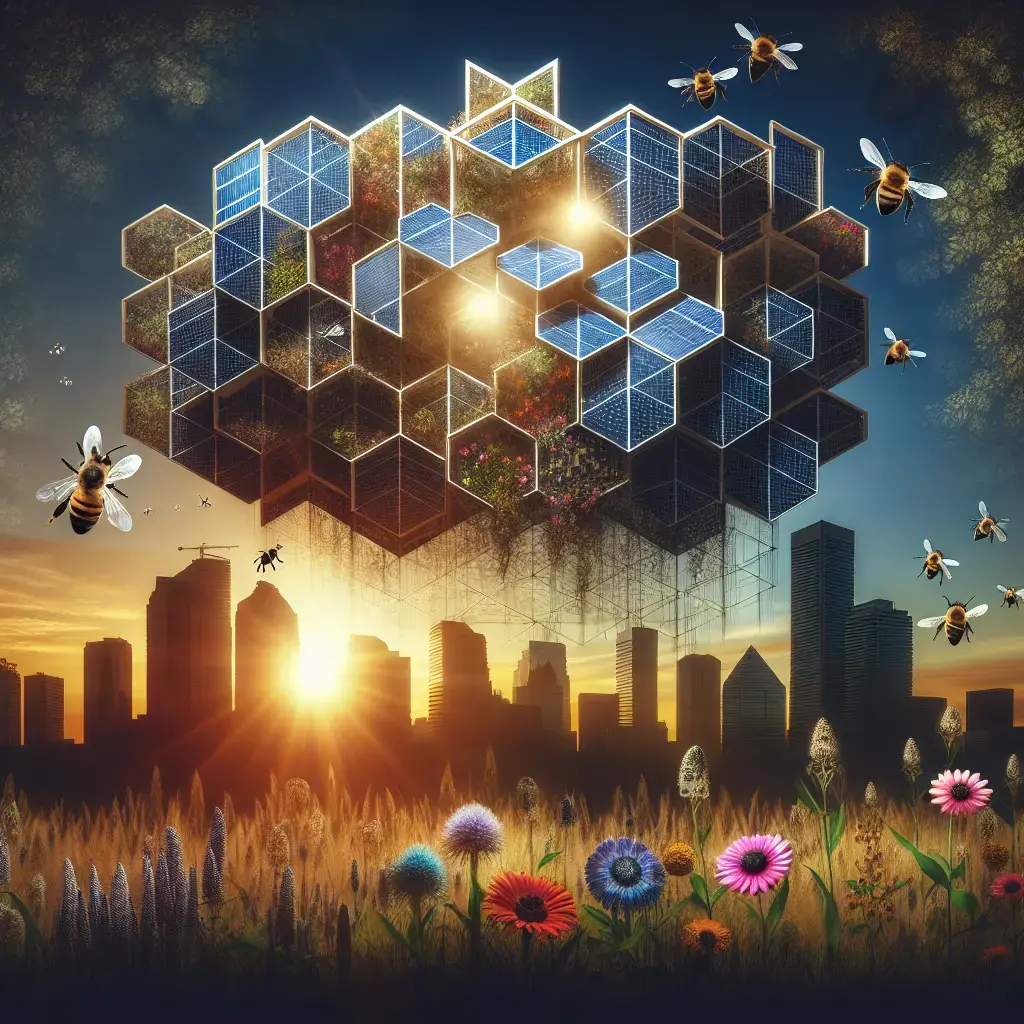
Innovative solutions like vertical apiaries, portable pollination stations, and bee-friendly urban design are enhancing the urban beekeeping landscape. Furthermore, addressing the impact of artificial light through regulated light exposure systems ensures healthier bee populations.
The Role of Technology in Sustainable Urban Beekeeping
Technology continues to play a pivotal role in overcoming city beekeeping issues. From IoT in beekeeping that facilitates real-time monitoring to sustainable practices that incorporate renewable energy for hive heating and cooling—urban beekeeping innovation is at the forefront of creating sustainable solutions.
Smart Beehives: These are not just hives but comprehensive systems that track all aspects of hive health, including pest infestation levels and queen health status.
AI-Driven Predictions: Machine learning algorithms are being developed to predict colony collapse scenarios based on historical data trends, enabling preventive measures.
Conclusion
As urbanization continues to rise, the importance of integrating sustainable urban beekeeping practices becomes ever more crucial. With challenges such as limited space, pollution, and fluctuating temperatures posing significant threats to urban bee populations, innovative solutions grounded in technology are leading the way forward. Through smart beehives, comprehensive data analytics, and thoughtful urban design, cities can not only sustain but also enhance bee populations, fostering a mutually beneficial relationship between urban environments and these vital pollinators.

Leave a Comment