
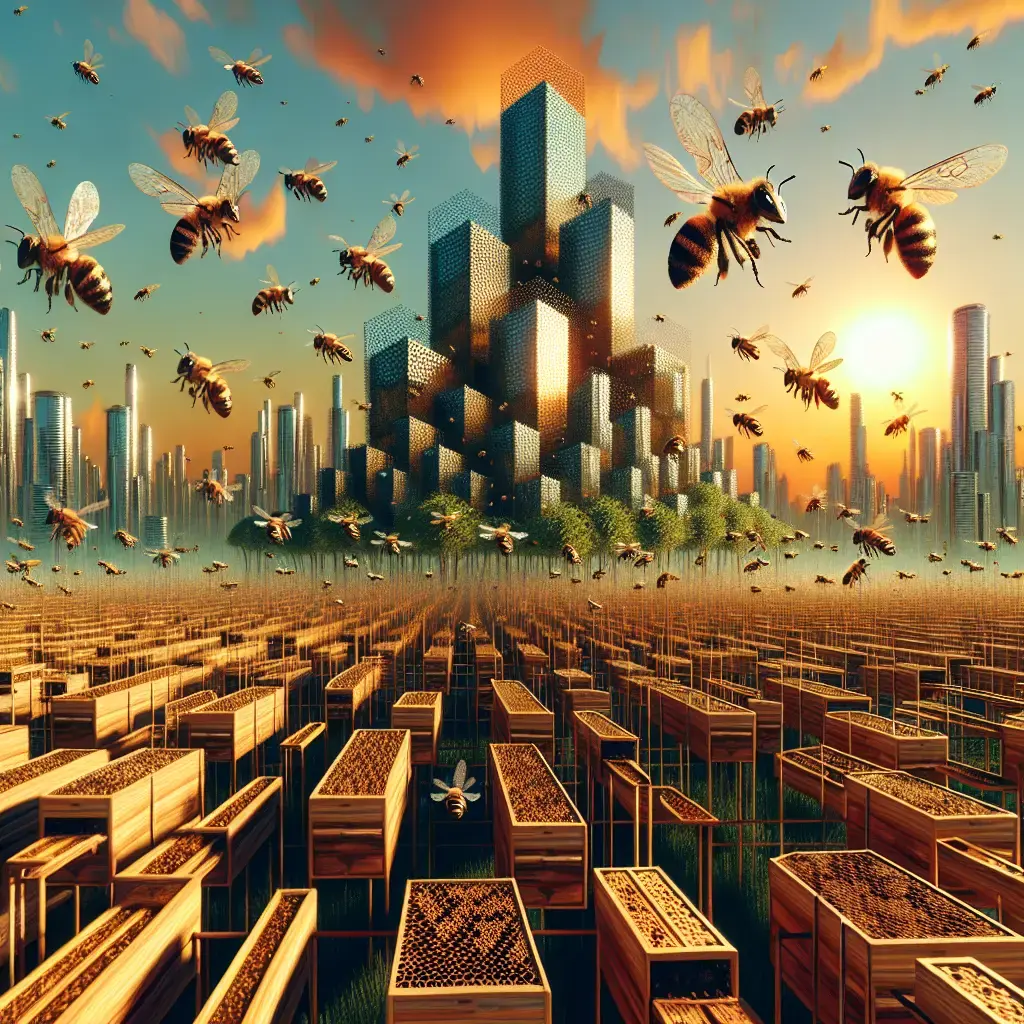
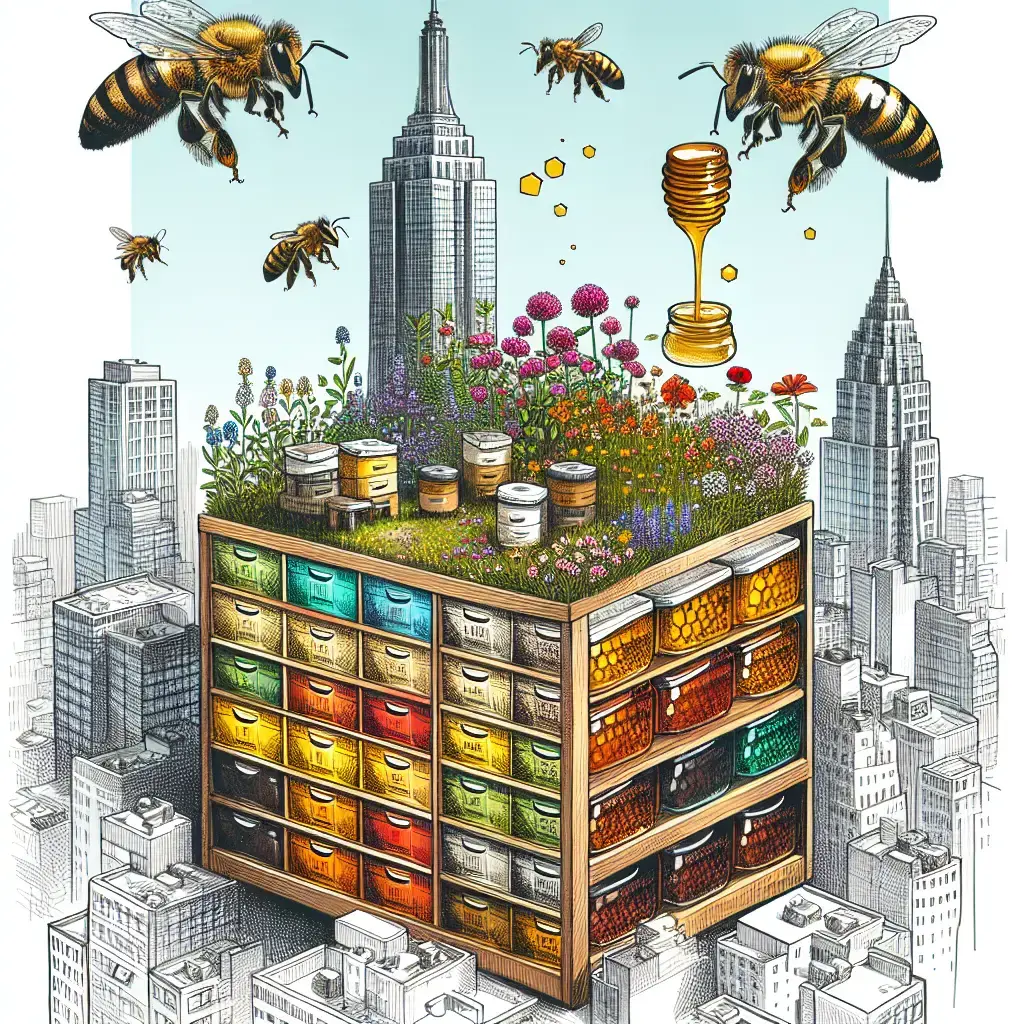
In the bustling heart of cities around the globe, a quiet revolution is taking place on rooftops, balconies, and community gardens: urban beekeeping. As more city dwellers embrace this practice, the influence of the urban environment on honey is becoming an intriguing area of exploration. Urban beekeeping not only supports the health of city ecosystems through urban pollinators but also yields unique local honey flavor profiles that distinguish urban honey from its rural counterparts.
The diverse city flora imparts a distinct flavor profile to city-produced honey, creating a tapestry of taste that's as varied as the metropolis itself. For health-conscious individuals, urban apiculture offers a sweet blend of sustainability and wellness, with the added health benefits of local honey making it an appealing venture.
As bees navigate the city's gardens and parks, they produce honey that reflects the intricate tapestry of urban biodiversity, resulting in surprising honey flavor variations. Enthusiasts and professionals alike are drawn to the benefits of urban honey, including its rich local honey nutrition profile and the potential urban beekeeping health benefits it offers.
With city honey production on the rise, sustainable beekeeping in cities becomes paramount, ensuring practices that nurture both the bees and their urban environments. Whether you're a seasoned apiarist or a curious newcomer, understanding city beekeeping practices and urban beekeeping tips is essential for fostering thriving hives.
As we delve deeper into the world of urban honey vs rural honey, explore how this vibrant practice enriches both our palates and our cities, paving the way for a sustainable future.
Urban Beekeeping and Local Honey Flavor Profiles
The unique tapestry of urban flora plays a significant role in shaping the flavor profile of city-produced honey. Unlike rural areas, where monocultures can dominate the landscape, cities boast a diverse range of plants and flowers. This diversity imparts a variety of nectar sources to urban bees, resulting in honey with complex flavor profiles that can include floral, herbal, or even spicy notes.
In cities like New York and London, where urban beekeeping has gained significant popularity, honey produced in different neighborhoods can have distinct tastes due to the varied plant life available.
The Impact of Urban Environment on Honey: One might wonder: how does the urban environment specifically affect honey? The answer lies in the abundance and variety of urban pollinators and the influence of city flora on honey taste. Urban settings often have more varied flowering plants than rural areas due to gardens, parks, and community spaces. This diversity allows bees to collect nectar from multiple sources, enriching the flavor profile of the honey they produce. A study published in the Journal of Apicultural Research found that urban honey often contains unique compounds not typically found in rural counterparts, contributing to its distinctive taste.
Health Benefits of Local Honey: Urban beekeeping also contributes to health-conscious living by providing local honey with potential health benefits. Local honey is often touted for its ability to help alleviate allergies, as consuming honey produced in your area may help build immunity to local pollen. Additionally, urban honey's nutritional profile is often rich in antioxidants due to the diverse plant sources bees forage from.
City Beekeeping Practices
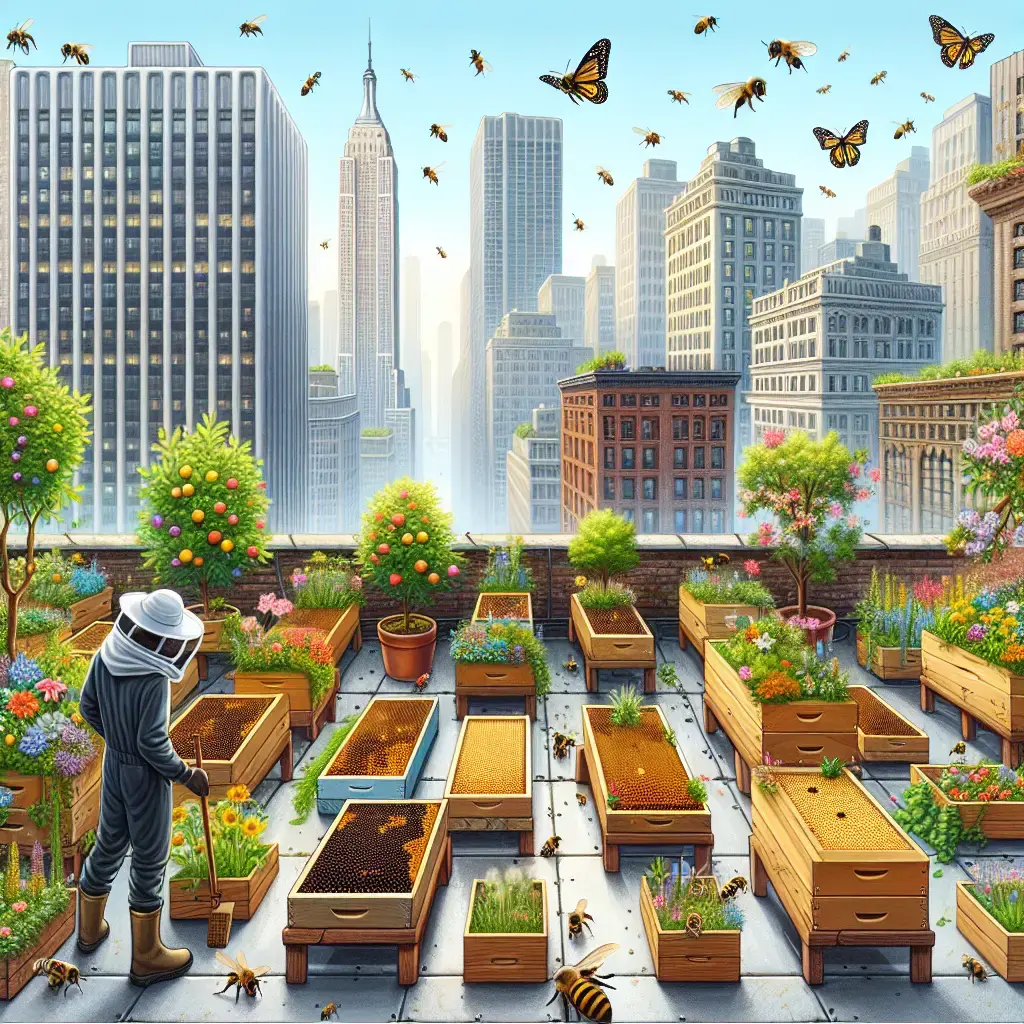
Effective city beekeeping practices are essential for ensuring thriving hives and sustainable production. Beekeepers in urban settings must navigate challenges such as limited space and potential pesticide exposure. To address these challenges, many urban apiarists use rooftop spaces or community gardens to house their hives.
Initiatives like Paris's rooftop beekeeping projects demonstrate how creative use of space can support bee populations while also contributing to urban biodiversity.
Urban Honey vs Rural Honey: Honey Flavor Variations: The debate between urban honey vs rural honey often centers around flavor variations and nutritional content. Urban honey is celebrated for its unique taste profile, reflecting the complex mix of city flora.
Conversely, rural honey typically offers a more consistent flavor due to the dominance of single crops like clover or alfalfa. However, this consistency might lack the nuanced flavors found in city-produced honey. For those interested in experiencing the full spectrum of honey flavors, trying both urban and rural varieties can be enlightening.
Benefits of Urban Honey
Urban honey not only supports local ecosystems but also provides several benefits for beekeepers and consumers alike. For beekeepers, operating in a city can mean less competition with large-scale agricultural operations, allowing for more focused attention on hive health.
Consumers benefit from access to fresh, locally-sourced products that contribute positively to their well-being.
Supports Local Ecosystems: By encouraging pollinator populations, urban beekeeping enhances city biodiversity.
Promotes Sustainability: Sustainable beekeeping in cities can reduce carbon footprints by minimizing transportation needs.
Enhances Well-being: The health benefits of consuming local honey include allergy relief and antioxidant intake.
Sustainable Beekeeping in Cities: Sustainable practices are crucial for maintaining healthy bee populations and producing quality honey. Key strategies include avoiding synthetic pesticides, promoting biodiversity through diverse planting, and ensuring ethical hive management. Organizations like The British Beekeepers Association provide resources and guidelines for sustainable urban beekeeping practices that protect both bees and their environments.
Urban Beekeeping Tips: For those interested in starting their own urban beekeeping journey, several tips can ensure success:
Research Local Regulations: Different cities have varying rules regarding hive placement and maintenance. Choose Hive Locations Wisely: Opt for spots that provide protection from wind and direct sun exposure. Engage with Local Communities: Joining local beekeeping groups can provide valuable support and resources. Diversify Plant Sources: Encourage a variety of plants in your area to enhance the flavor profile of your honey.
In conclusion, urban beekeeping represents a convergence of sustainability, wellness, and innovation. By understanding the nuances of city beekeeping practices and exploring the distinctive local honey flavor profiles they produce, we can appreciate this quiet revolution taking place above our bustling cities.
In conclusion, urban beekeeping is not just a hobby but a transformative practice that enriches city life in numerous ways. It uniquely enhances the flavor profiles of honey through the diverse urban flora and brings health benefits by offering local, antioxidant-rich honey. The practice supports local ecosystems, promotes sustainability, and adds a delightful layer of biodiversity to our cityscapes.
Key takeaways include:
Diverse Honey Flavors: Urban environments offer varied plant life, leading to honey with complex and unique taste profiles. Health Benefits: Local honey can help with allergy relief and provides a boost of antioxidants. Sustainability and Ecosystem Support: Urban beekeeping contributes positively to local biodiversity and reduces carbon footprints.
As we reflect on the role of urban beekeeping, it's clear that sustainable practices are essential for maintaining healthy bee populations and producing quality honey. Beekeepers must navigate challenges like space constraints and potential pesticide exposure while finding innovative solutions such as using rooftop spaces.
We encourage you to explore the world of urban beekeeping, whether by starting your own hive or supporting local beekeepers. Share your experiences and insights on how urban beekeeping has influenced your life or community. Your contributions can spark further conversation and inspire more individuals to participate in this rewarding journey.
Buzz on over to your nearest urban beekeeper and taste the difference for yourself!

Leave a Comment