
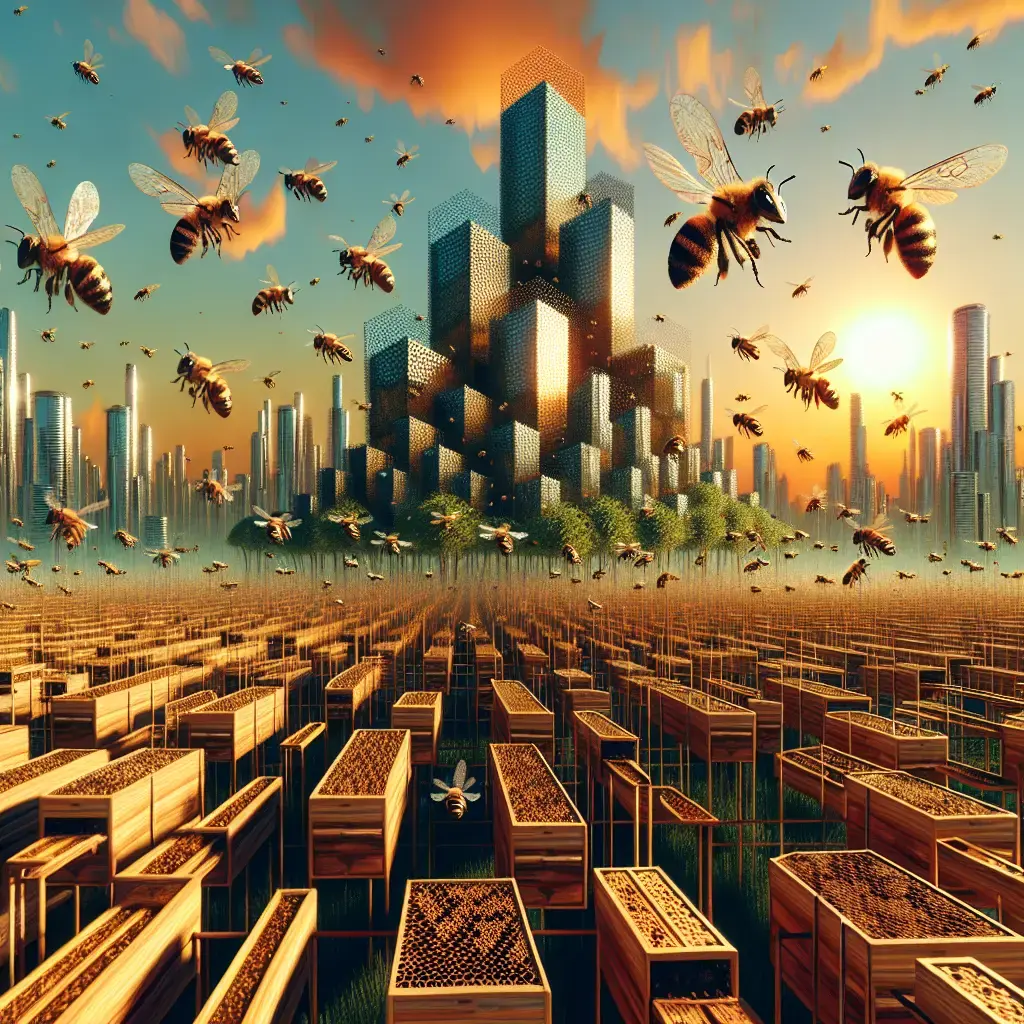
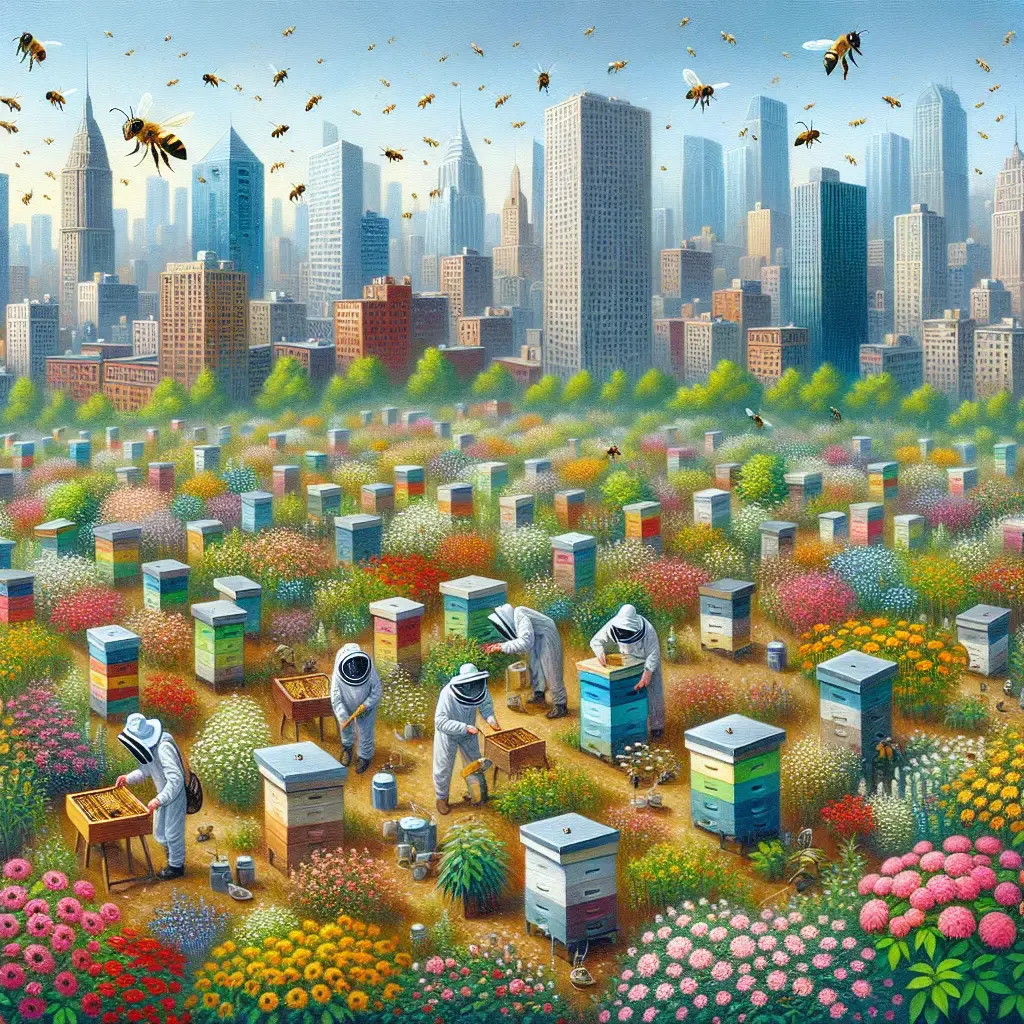
In the bustling heart of our urban landscapes, a quiet revolution is buzzing—one that merges sustainability with city living. The rise of urban beekeeping is transforming small city gardens into vibrant ecosystems, offering an unexpected haven for bees amid the concrete jungles. As city dwellers increasingly seek to reconnect with nature, urban beekeeping has become a trendy and impactful pursuit, inspiring a wave of urban beekeeper stories that celebrate the unique interplay between bees and city life.
For many enthusiasts, the allure lies not only in the promise of sweet urban honey production but also in the profound environmental impact of urban beekeeping. City garden beekeeping provides crucial pollination services, enhancing biodiversity and supporting local flora. However, this burgeoning trend is not without its hurdles. Navigating the urban beekeeping challenges, such as adhering to beekeeping regulations in cities and selecting city-friendly bee species, requires knowledge and careful planning.
The benefits of urban beekeeping extend beyond personal satisfaction, contributing to larger community urban beekeeping projects that foster environmental stewardship and collective action. Yet, the journey from novice to adept urban beekeeper often begins with mastering small garden beekeeping tips and understanding the nuances of an urban apiary setup.
As we delve into the city beekeeping trends sweeping across neighborhoods worldwide, it becomes clear that this movement is not merely a hobby but a vital component of sustainable urban living. Explore the possibilities and potential pitfalls of beekeeping for city dwellers, as we uncover how this ancient practice is being reimagined for modern metropolises.
The rise of urban beekeeping in small city gardens is a testament to the growing awareness and appreciation of sustainable urban living. As city dwellers seek to reconnect with nature, urban beekeeping offers a unique opportunity to contribute to environmental sustainability while enjoying the benefits of urban honey production. Recent news and updates underscore the transformative impact of beekeeping in cities, highlighting both the opportunities and challenges faced by urban beekeepers.
Understanding the Urban Beekeeping Phenomenon
Urban beekeeping has gained momentum as a popular trend across global metropolises. In cities like New York, London, and Berlin, city garden beekeeping initiatives are on the rise, reflecting a broader movement towards ecological consciousness. According to a recent article in The Guardian, urban beekeeping has become an integral part of urban agriculture, with local governments increasingly supporting community urban beekeeping projects.
Several factors have contributed to the rise of urban beekeeping:
Environmental Concerns: The environmental impact of urban beekeeping is significant. Bees play a crucial role in city pollination, which enhances biodiversity and supports local flora. This is particularly important in urban areas where natural pollinators are scarce.
Community Engagement: Urban beekeeping fosters community involvement and environmental stewardship. Programs like the Urban Beekeepers Association provide education and resources to help city dwellers start and maintain hives.
Overcoming Urban Beekeeping Challenges
Health Benefits: Urban honey production offers not only a local food source but also health benefits associated with consuming local honey, which may alleviate allergies and support the immune system.
Beekeeping Regulations in Cities: Navigating local regulations is crucial for aspiring urban beekeepers. Cities often have specific guidelines regarding hive placement, bee species, and hive management to ensure safety and compliance. For example, New York City requires registration of hives with the Department of Health and Mental Hygiene to monitor and support safe practices.
City-Friendly Bee Species: Selecting appropriate bee species is vital for successful urban apiary setup. Species like the Buckfast bee are popular for their gentle temperament and adaptability to small garden environments.
Space Constraints: Small city gardens pose space limitations for traditional hive setups. Innovations such as vertical hives or compact rooftop installations can maximize limited space while maintaining productive colonies.
Successful Urban Beekeeper Stories
Urban beekeeper stories offer inspiration and practical insights into city beekeeping trends. Consider the case of Sarah Hamilton, a London-based beekeeper featured in BBC's Eco Heroes series. Hamilton transformed her small city garden into a thriving ecosystem by incorporating sustainable urban beekeeping practices. Her approach emphasizes the importance of community engagement and collaboration with local schools to educate the next generation about environmental stewardship.
For those interested in starting their own city garden beekeeping venture, consider these small garden beekeeping tips:
Research Local Flora: Understanding the types of plants that thrive in your area can help support healthy bee populations. Native plants are often the best choice for attracting bees and promoting biodiversity.
Start Small: Begin with one or two hives to gain experience before expanding your urban apiary setup. This allows you to learn the nuances of hive management without becoming overwhelmed.
Seek Mentorship: Connect with experienced urban beekeepers or join local associations to access resources, workshops, and support networks. This can greatly enhance your knowledge and confidence as you navigate the challenges of beekeeping in cities.
The Future of Sustainable Urban Beekeeping
As we look ahead to 2024 and beyond, sustainable urban beekeeping continues to evolve with technological advancements and increased awareness of environmental issues. Innovations such as smart hive technology allow urban beekeepers to monitor hive health remotely, ensuring timely interventions when needed. Additionally, collaborations between city planners and environmental organizations are paving the way for integrated green spaces that support both human and pollinator communities.
In conclusion, the rise of urban beekeeping in small city gardens is more than just a trend—it's a movement towards sustainable living that benefits both individuals and communities. By embracing the challenges and opportunities of urban beekeeping, city dwellers can contribute to a greener future while enjoying the sweet rewards of urban honey production. As this movement grows, so too will our collective understanding of how we can harmoniously coexist with nature in even the most bustling urban landscapes.
In summary, the rise of urban beekeeping in small city gardens highlights a growing commitment to sustainable urban living. Key points to consider include:
- Environmental Impact: Urban beekeeping plays a crucial role in enhancing city biodiversity and supporting local flora through effective pollination.
- Community Engagement: Programs like the Urban Beekeepers Association foster community involvement, offering education and resources to aspiring beekeepers.
- Health Benefits: Locally produced urban honey provides health advantages, potentially alleviating allergies and boosting immune health.
- Challenges: Navigating city regulations, selecting suitable bee species, and managing space constraints are essential for successful urban beekeeping.
- Inspiration: Stories like Sarah Hamilton's in London demonstrate the transformative power of sustainable practices in small urban spaces.
For those venturing into urban beekeeping, remember to research local flora, start with a manageable number of hives, and seek guidance from seasoned beekeepers. As the movement progresses, technological advancements such as smart hive technology will further enhance urban beekeeping practices.
Urban beekeeping is more than a trend; it's a meaningful step towards ecological sustainability in our cities. We invite you to reflect on how urban beekeeping can benefit your community and share your experiences or insights in the comments. Together, we can foster a deeper connection with nature and pave the way for greener urban landscapes.
Stay curious and keep buzzing towards a sustainable future!


Leave a Comment