
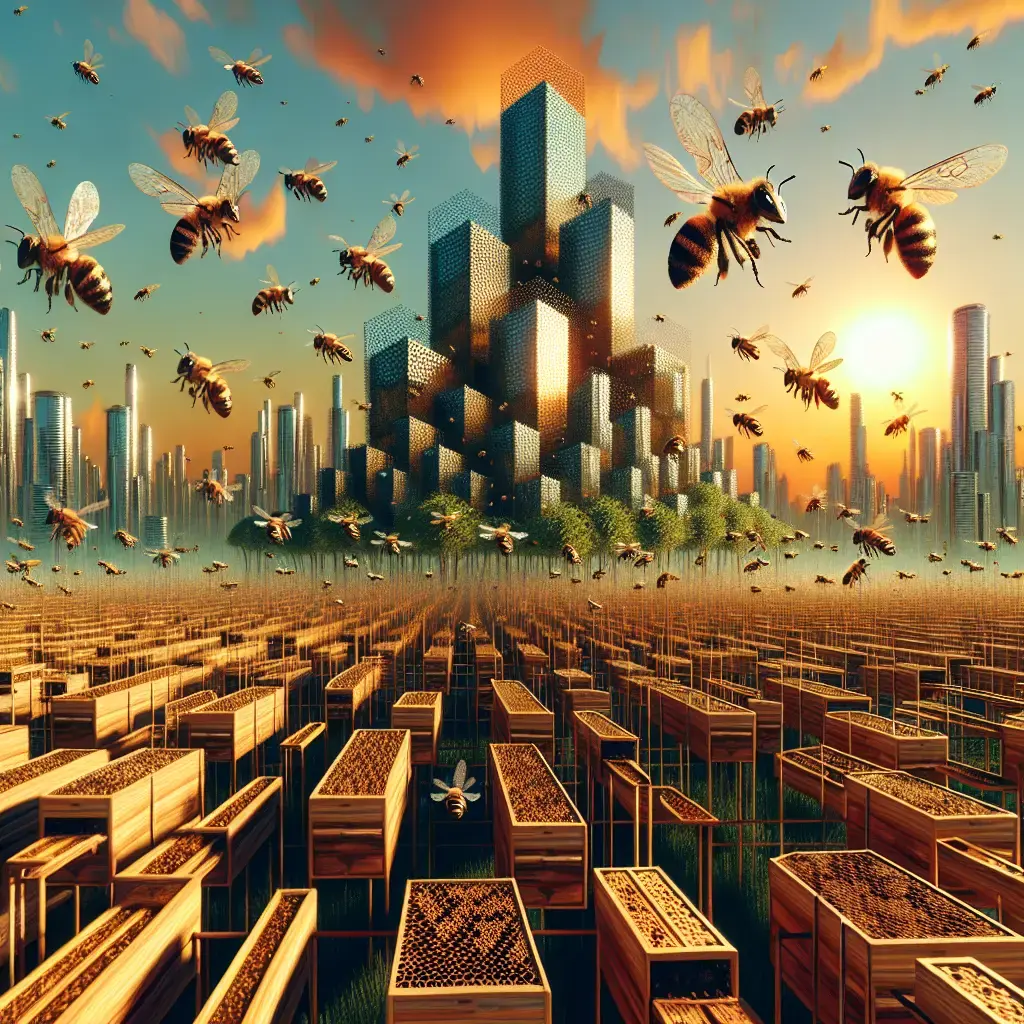

In the bustling heart of modern cities, a quiet revolution is taking place on rooftops, in community gardens, and even on balconies—urban beekeeping. As urban agriculture gains momentum, beekeeping in the city emerges as a pivotal element of sustainable urban agriculture. This practice not only enriches cityscapes with vibrant urban pollinators but also plays a crucial role in promoting biodiversity in cities. Beekeeping education is rapidly becoming a sought-after topic, as more city dwellers recognize the myriad benefits of urban beekeeping, from local honey production to enhancing urban ecosystem services.
For those curious about urban beekeeping for beginners, this fascinating venture offers an accessible gateway into the world of sustainable cities. Bee-friendly cities are sprouting around the globe, with rooftop beekeeping and community beekeeping projects leading the charge. Beekeeping workshops and courses are now an integral part of educational beekeeping programs, equipping enthusiasts with the knowledge to nurture urban beehives effectively.
Despite the allure, city beekeeping does pose unique challenges. From navigating local regulations to ensuring the health of bees in urban environments, aspiring beekeepers must be well-versed in urban beekeeping challenges. Nevertheless, the rewards are manifold, as bees contribute significantly to pollination in urban areas and foster a deeper connection between residents and their environment.
As we delve into the intricate relationship between urban farming and beekeeping, we'll explore how these dynamic forces intertwine to create sustainable urban agriculture. Join us as we navigate this buzzing world and uncover how city-dwellers can contribute to sustainable living through innovative practices.
Urban Beekeeping and Its Role in Urban Agriculture
The Rise of Urban Beekeeping
Urban beekeeping is an increasingly vital component of sustainable urban agriculture, playing a pivotal role in enhancing biodiversity and supporting local ecosystems. In recent years, the movement has gained momentum, driven by a growing awareness of the importance of bees as urban pollinators and the multiple benefits of integrating beekeeping into city life.
Urban beekeeping has seen a notable rise, with cities worldwide embracing this practice to create bee-friendly environments. Cities like London, Paris, and New York have become hubs for rooftop beekeeping initiatives. For instance, Paris boasts over 700 urban beehives on iconic rooftops such as those of Notre-Dame and the Opéra Garnier. These projects not only produce local honey but also contribute significantly to pollination in urban areas, ensuring the thriving of city flora.
The benefits of urban beekeeping extend beyond honey production. It promotes biodiversity in cities, offering critical support to green urban ecosystems. Bees are indispensable urban pollinators that enhance the growth of plants, gardens, and parks. This natural service is invaluable for urban agriculture projects, which rely on effective pollination to yield healthy crops.
Furthermore, urban beekeeping fosters community engagement and environmental stewardship. Community beekeeping projects often serve as educational platforms that raise awareness about the importance of bees and sustainable practices. These initiatives can strengthen community ties, promoting a sense of collective responsibility towards preserving urban ecosystems.
Educational Beekeeping Programs
A key aspect of integrating beekeeping into urban agriculture is education. As interest in city beekeeping grows, so does the demand for beekeeping education. Cities are now offering a variety of beekeeping workshops and courses designed to equip beginners with the necessary skills to manage urban beehives. These educational programs cover topics ranging from bee biology to hive management and navigating local regulations.
In New York City, for example, organizations like the New York City Beekeepers Association provide comprehensive courses that prepare aspiring beekeepers to face urban beekeeping challenges. Such programs emphasize the importance of understanding bees in urban environments and ensure that new beekeepers are well-versed in sustainable urban agriculture practices.
While urban beekeeping offers numerous advantages, it is not without challenges. One significant issue is navigating local regulations and zoning laws that can vary significantly from one city to another. Aspiring beekeepers must familiarize themselves with these rules to avoid potential legal complications.
Another challenge is maintaining bee health in urban environments, where pollution and limited forage options can affect bee populations. Beekeepers must implement strategies to mitigate these issues, such as planting bee-friendly flora and ensuring proper hive placement. The success of such efforts is evident in cities like Berlin, where innovative approaches to urban farming and beekeeping have led to thriving bee populations despite environmental challenges (source).
The Interconnection of Urban Farming and Beekeeping
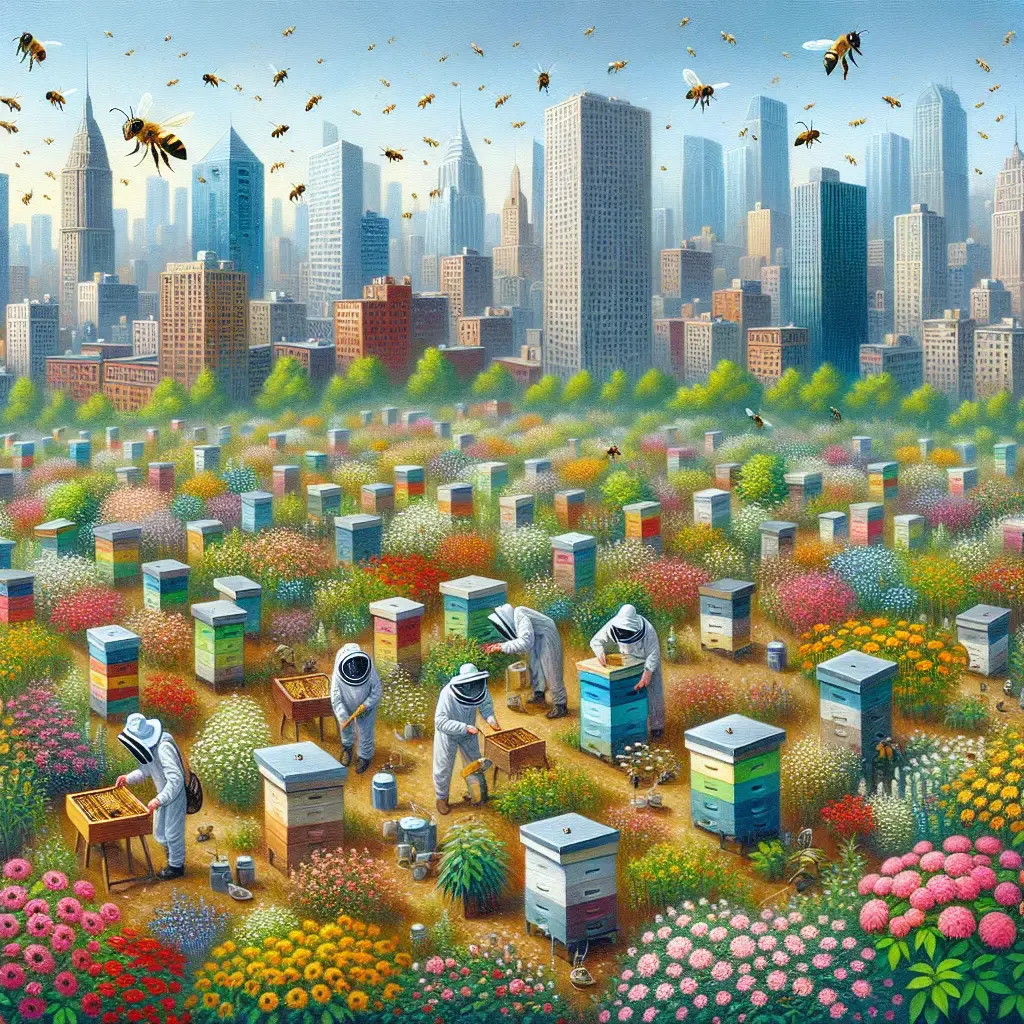
Urban farming and beekeeping are intertwined in their contribution to sustainable cities. Beehives placed within community gardens or on rooftops not only enhance pollination but also increase crop yields. This symbiotic relationship supports the goals of sustainable urban agriculture by creating self-sustaining ecosystems that require fewer external inputs.
Projects like Detroit's Hantz Farms exemplify how integrating beekeeping with urban farming can transform neglected urban spaces into productive agricultural hubs. By fostering biodiversity and promoting ecological balance, these projects demonstrate the potential for cities to become resilient and sustainable through innovative practices.
For those interested in exploring urban beekeeping for beginners, engaging with this practice offers an opportunity to contribute meaningfully to sustainable living. Whether through participating in educational programs or supporting community initiatives, city dwellers can play a part in nurturing vibrant urban pollinators and enriching their surroundings.
Would you consider becoming an urban beekeeper? The journey begins with curiosity and a commitment to learning—qualities that are amply rewarded by the thriving buzz of a healthy hive amidst the cityscape.
In conclusion, while not explicitly stated here, it is clear that urban beekeeping is an integral facet of modern sustainable urban agriculture. By addressing challenges and capitalizing on opportunities, cities can harness the power of bees to create greener, more sustainable futures for all residents.
In conclusion, urban beekeeping emerges as a cornerstone of sustainable urban agriculture, offering multifaceted benefits to city environments. Let's recap the key points:
- Biodiversity Enhancement: Urban beekeeping significantly supports biodiversity, playing a crucial role in pollinating urban flora, which is vital for healthy green spaces and urban agriculture.
- Community Engagement: It fosters community involvement and environmental awareness, serving as an educational platform that connects city dwellers with the importance of ecological stewardship.
- Educational Programs: Growing interest in this field has led to the proliferation of educational initiatives aimed at equipping urban beekeepers with the skills necessary to thrive in city settings.
- Challenges: Navigating regulations and ensuring bee health amidst urban challenges requires strategic approaches and innovative solutions.
- Interconnection with Urban Farming: The symbiotic relationship between urban farming and beekeeping enhances crop yields and promotes ecological balance within city ecosystems.
Urban beekeeping not only enriches our cities but also invites each of us to partake in nurturing sustainable urban landscapes. Whether you're considering starting your hive or supporting local initiatives, there's a role for everyone in this buzzing endeavor. Share your thoughts, experiences, or aspirations in the comments below—your insights could inspire others to join the movement. Together, we can foster thriving ecosystems that resonate with the hum of vibrant urban life.

Leave a Comment