
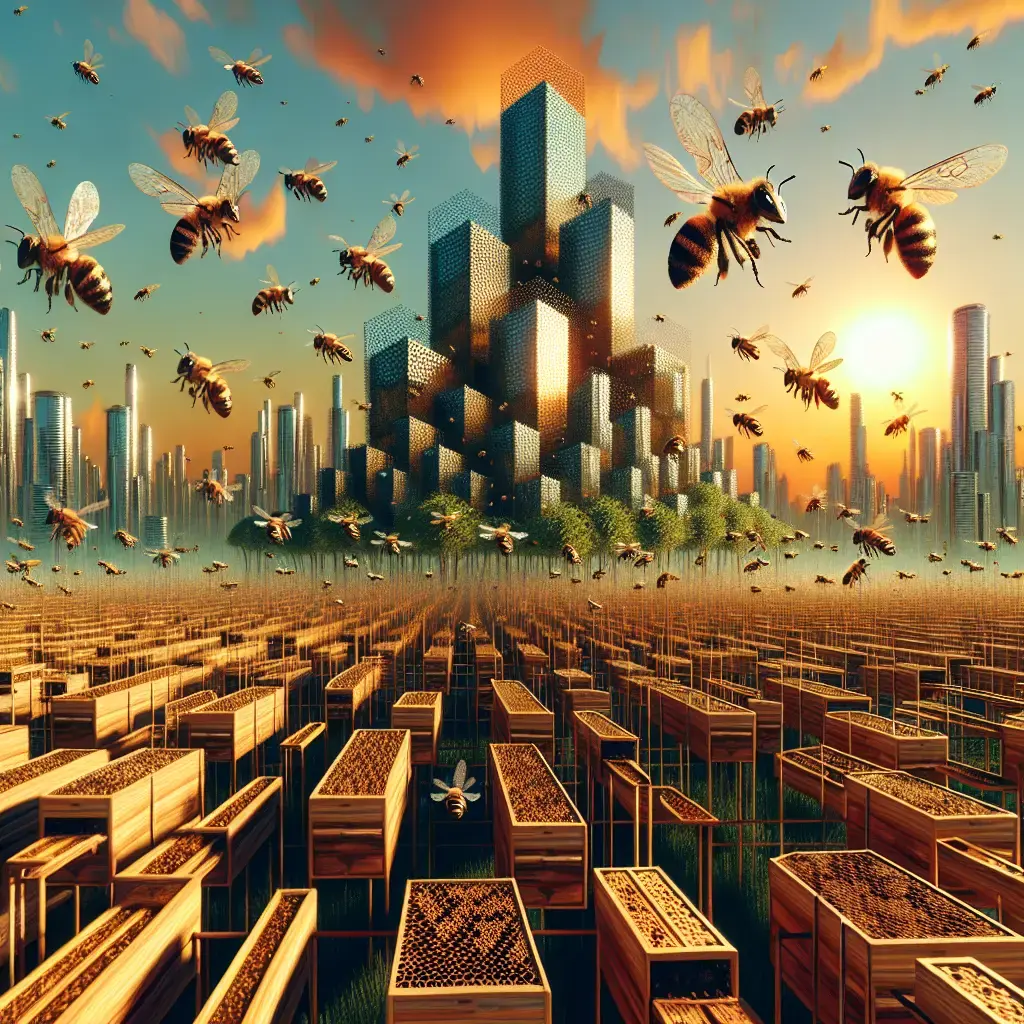
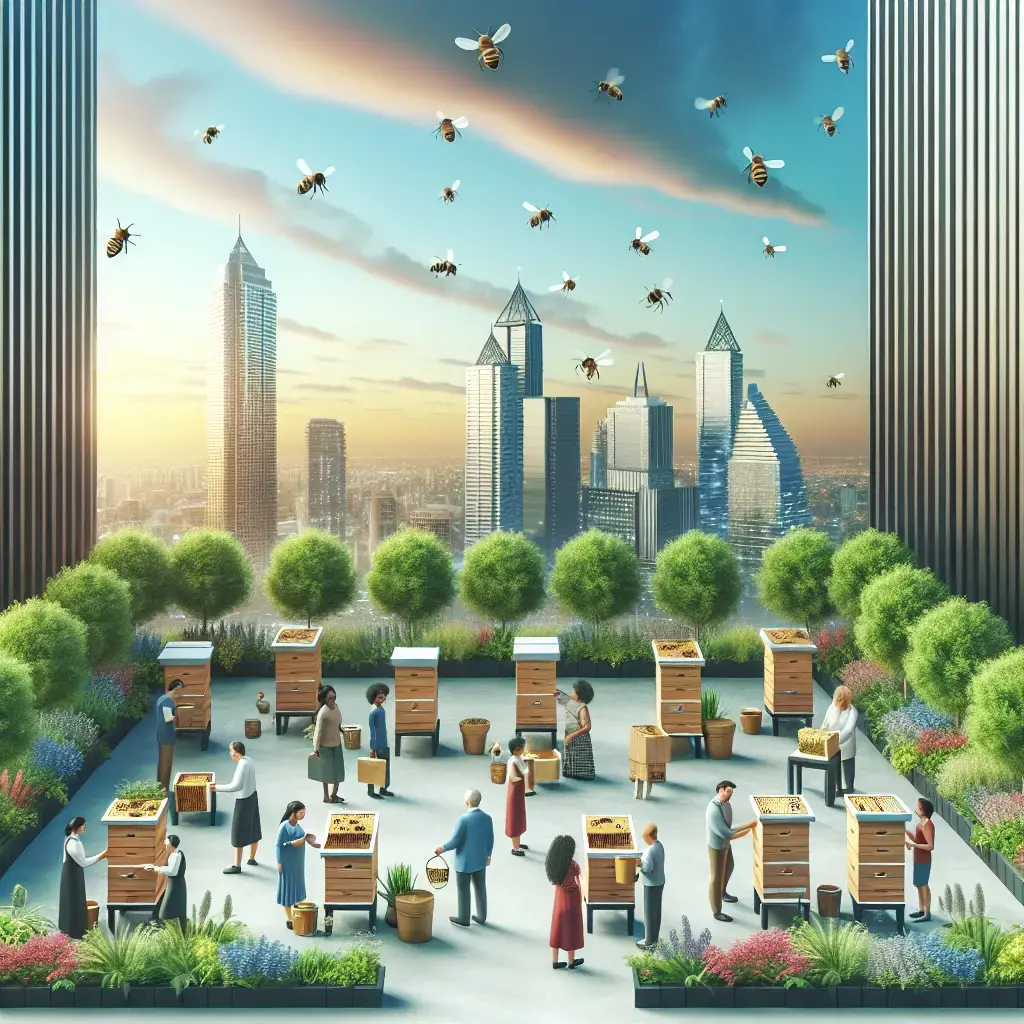
In recent years, the buzz around urban beekeeping has captured the imagination of city dwellers and environmental enthusiasts alike. As our urban landscapes continue to expand, the need for sustainable urban beekeeping practices becomes ever more pressing. City beekeeping offers an innovative solution to declining bee populations and fosters a harmonious relationship between urbanization and nature. For those keen on exploring this fascinating field, understanding the nuances of urban apiary setup and the benefits it brings is essential.
Innovative hive designs are transforming beekeeping in cities, offering compact hive solutions that fit seamlessly into metropolitan areas. From rooftop beekeeping to balcony beekeeping, modern hive designs allow for efficient urban pollination, even in the most limited spaces. The rise of city hive designs reflects a national beekeeping trend toward eco-friendly urban hives, which not only support urban bee conservation but also boost urban honey production.
City-friendly beekeeping involves more than just placing a hive on a rooftop; it requires urban beekeeping tips on proper maintenance, selecting suitable urban beekeeping equipment, and understanding the unique dynamics of beekeeping for city dwellers. As the interest in urban apiary benefits grows, so does the need for tailored solutions that cater to the challenges and opportunities of metropolitan beekeeping.
With compact hive designs and sustainable practices at the forefront, urban beekeeping is not just a hobby but a movement towards creating greener cities. As we delve deeper into this topic, discover how innovative approaches to urban beehive maintenance and city-friendly designs are paving the way for a thriving bee population amidst our concrete jungles.
Urban beekeeping is a rapidly evolving field, reflecting a broader national beekeeping trend towards creating sustainable urban environments that support biodiversity. With urbanization on the rise, innovative hive designs have emerged as a crucial element in accommodating bees in city spaces. These designs are not only compact but also tailored to meet the unique challenges of beekeeping in metropolitan areas. This section delves into the latest developments and best practices in urban apiary setup, drawing insights from recent reports and case studies.
Innovative Hive Designs for Urban Spaces
One of the most significant advancements in urban beekeeping is the development of compact hive designs. These hives are engineered to fit seamlessly into city environments, whether on rooftops, balconies, or even small gardens. For instance, Beepods, a company specializing in eco-friendly beekeeping solutions, has introduced modular hive systems that allow city dwellers to easily manage bee colonies without needing extensive space. Such modern hive designs facilitate efficient urban pollination, crucial for maintaining green urban ecosystems.
Case Study: Paris Rooftop Beekeeping
Paris has become a leader in rooftop beekeeping, transforming its iconic skyline with beehives. According to a report from The Guardian, over 700 hives are perched atop buildings throughout the city, contributing significantly to urban honey production. This initiative not only supports urban bee conservation but also offers a unique way for citizens to engage with nature. The rooftop hives are designed with insulating materials and ventilation systems that help maintain ideal conditions for bees amidst the fluctuating urban temperatures.
Urban Beekeeping Equipment and Maintenance
For those interested in beekeeping for small spaces, selecting the right urban beekeeping equipment is essential. The use of compact tools and hive designs tailored for city environments simplifies maintenance tasks and ensures the well-being of bee colonies. Equipment such as top-bar hives and flow hives are popular due to their user-friendly nature and efficiency in honey extraction.
Urban Beehive Maintenance Tips
1. Regular Inspections: Conduct regular inspections to monitor bee health and identify potential issues early. This involves checking for pests like varroa mites, which can devastate colonies if left unchecked.
2. Temperature Control: Urban environments can experience extreme temperatures. Utilize hive insulators or shade covers to protect hives during heatwaves and cold snaps.
3. Swarm Prevention: Implement swarm control measures such as splitting colonies during peak swarming season to prevent overcrowding.
4. Sustainable Practices: Use organic treatments and avoid chemicals that could harm bees or the environment, aligning with sustainable urban beekeeping practices.
Benefits and Challenges of City Beekeeping
City-friendly beekeeping presents numerous benefits but also comes with challenges that require innovative solutions. One major advantage is the promotion of urban pollination, which enhances the growth of plants and flowers in city landscapes, contributing to greener cities. Additionally, urban honey production offers an opportunity for local businesses and hobbyists to thrive.
However, challenges such as limited space, environmental pollution, and public perception need addressing. A study published in Nature Sustainability highlights how innovative hive designs help overcome space constraints by maximizing vertical space usage and minimizing land footprint.
Engaging with the Community
Engaging with the local community is pivotal in fostering a supportive environment for urban apiary benefits. Initiatives such as community workshops and educational programs can demystify urban beekeeping, making it accessible to more people. For example, New York City Beekeepers Association regularly hosts events to educate residents on the importance of bees and how they can contribute to bee conservation efforts.
National Trends and Future Directions
Nationally, there is a clear trend towards eco-friendly urban hives that align with broader environmental goals. Cities like San Francisco and Berlin are adopting policies that encourage urban beekeeping as part of their sustainability strategies. The rise in popularity of rooftop and balcony beekeeping underscores the potential for cities worldwide to integrate beekeeping into their urban planning.
Looking forward, technological innovations such as smart hives equipped with sensors for real-time monitoring of hive conditions may revolutionize how beekeeping for city dwellers is approached. These advancements not only enhance urban beehive maintenance but also provide valuable data for research on bee behavior in metropolitan areas.
Urban beekeeping is proving to be a transformative approach in creating sustainable city environments that support biodiversity. The evolution of compact and innovative hive designs allows bees to thrive in urban spaces, making city-friendly beekeeping an achievable endeavor. Notable advancements include:
- Innovative Hive Designs: Companies like Beepods are pioneering modular hive systems that seamlessly integrate into cityscapes, supporting efficient urban pollination.
- Rooftop Beekeeping Success: Cities such as Paris lead the way with rooftop beekeeping, contributing significantly to urban honey production and bee conservation efforts.
- Essential Equipment and Maintenance: Adopting compact tools and hive designs tailored for city environments simplifies maintenance, ensuring the health of bee colonies.
- Community Engagement: Initiatives such as workshops and educational programs by groups like the New York City Beekeepers Association foster community support and awareness.
The benefits of urban beekeeping are immense, enhancing urban pollination and offering new business opportunities. However, challenges like limited space and environmental pollution require innovative solutions. National trends indicate a shift toward eco-friendly urban hives, with cities integrating beekeeping into their sustainability strategies. The future holds promise with technological innovations like smart hives, potentially revolutionizing urban beekeeping practices.
As we continue to embrace these advancements, urban beekeeping stands poised to flourish as both a hobby and a crucial element of sustainable urban development. We encourage you to share your experiences or thoughts on urban beekeeping—how might you contribute to fostering greener cities?
Thank you for joining us on this journey towards a more sustainable urban future. Buzz on! 🐝


Leave a Comment